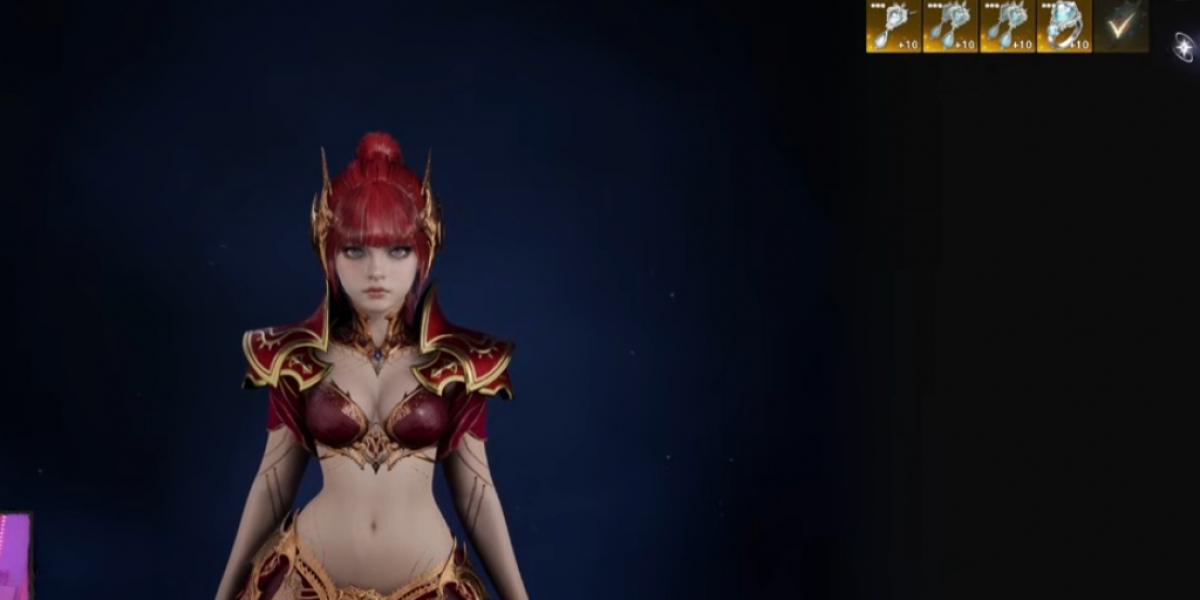

If you’re exploring Aion 2, one class that often raises questions is the Chanter. It’s a hybrid class that mixes supportive skills with decent damage potential, but understanding how it works in practice can make a big difference to your gameplay. Here’s a breakdown based on common player experiences.
What Does the Chanter Do?
In general, Chanters are support-focused classes that enhance a party’s performance. Most players know them for their status effect skills, which can increase allies’ stats during combat. While they aren’t primary healers like Clerics, they do have access to healing spells and AoE regeneration abilities.
In practice, this means a Chanter usually functions as a flexible member of any group. They can:
Boost damage, defense, or other attributes for allies.
Provide secondary healing in the form of regeneration zones rather than single-target instant heals.
Deal moderate damage to enemies, especially when soloing or in small groups.
Most players consider the Chanter a “jack-of-all-trades” in party settings, able to adapt depending on what the group needs.
How Strong is the Chanter in Solo Play?
Many players are surprised at how capable Chanters are when playing alone. The class combines decent DPS (damage per second) with self-sustain through healing abilities.
In general, solo Chanters rely on:
AoE regeneration zones: These keep their health topped up without constant consumable use.
Buffed attacks: The Chanter’s status effects often increase personal damage output.
Pet or summoned abilities: Some players use these to maintain pressure on multiple enemies.
While they can’t instantly heal heavy damage from bosses, their combination of buffs, sustained healing, and steady damage makes them very playable solo. Most players find that, once geared, Chanters can handle elite mobs and smaller dungeons without too much difficulty.
How Does the Chanter Perform in Parties?
In parties, the Chanter shines as a hybrid support. Most players use them as buffers first, secondary healers second, and damage dealers third.
Key party roles include:
Buffing allies: Increasing attack power, defense, or resistance to debuffs.
Providing secondary healing: While not as strong as a dedicated healer, Chanters’ AoE heals help sustain the group during prolonged fights.
Crowd control: Some abilities reduce enemy effectiveness, making encounters smoother.
In general, a party with a Chanter feels more consistent because their buffs and healing cover gaps other classes may leave. Players often note that Chanters are especially useful in mixed groups, such as one tank, one healer, one DPS, and a Chanter who supports everything.
What Are the Weaknesses of the Chanter?
No class is perfect. Based on player feedback, common limitations include:
Lack of instant single-target heals: For groups facing high burst damage, this can be a problem.
Moderate damage output: While strong in AoE situations, Chanters usually aren’t top DPS in single-target fights.
Mana management: Buffing and healing constantly can drain resources, so players often need to plan downtime or consumables.
Understanding these limitations helps you play the Chanter more effectively, whether solo or in a party.
How Should I Gear and Progress My Chanter?
Most players focus on a mix of survivability and support stats. Priorities usually include:
Attributes that boost healing and buff potency
Defense stats for self-sustain
Equipment that improves AoE effectiveness
Since the Chanter can handle both soloing and group play, balancing personal DPS with support capabilities is key. Some players also choose to buy Aion 2 kinah online to quickly afford gear or consumables needed for smoother progression. This is especially common among players looking to focus on skill practice rather than farming resources.
What Playstyle Works Best?
In general, the most effective playstyle depends on whether you are soloing or in a party:
Soloing: Focus on AoE damage and regeneration abilities. Use buffs that increase personal damage and survivability.
Parties: Keep an eye on ally health, apply buffs consistently, and save AoE healing for group-heavy fights. Prioritize status effects that benefit everyone.
Most players agree that Chanters are flexible. You can adapt your skills on the fly, depending on how fights unfold.
What Do Experienced Players Recommend?
Based on common feedback from long-term players:
Experiment with different skill combinations. Chanters have many buffs and healing spells, and finding a setup that works for your playstyle is crucial.
Don’t ignore soloing potential. Even though Chanters excel in support roles, they can handle solo content with proper gear and skill rotation.
Manage mana carefully. Using buffs and healing too often can leave you drained in longer fights.
Overall, the Chanter is a versatile and rewarding class for those willing to understand its strengths and weaknesses.
The Chanter in Aion 2 is a hybrid support class with solid healing, buffs, and moderate damage capabilities. Most players find them useful both solo and in parties, though their lack of instant heals and moderate DPS can be challenging in some scenarios. Proper skill management, gear choices, and understanding of their versatile playstyle make them one of the more adaptable classes in the game.