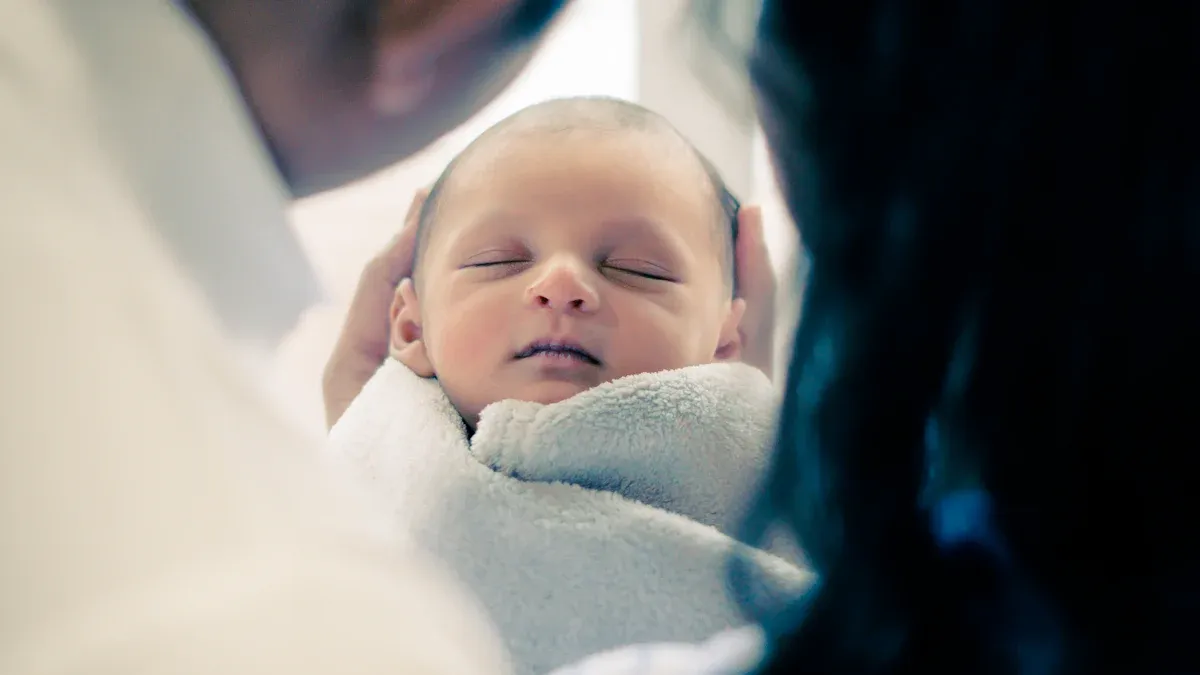
If you are a new parent, you probably have a lot of questions about what keeps your baby cozy and safe. You want a flannel baby blanket that feels soft but also gives you peace of mind. Many parents wonder about the right material, proper warmth, and safe sleep practices.
Pick breathable fabrics to help your baby stay cozy and avoid overheating.
Use safe swaddling so your little one does not get tangled.
Skip loose blankets in the crib for extra safety.
A cozy flannel blanket offers comfort and works in many situations, from swaddling to tummy time. You can relax knowing your baby stays both snug and safe.
Key Takeaways
Pick flannel fabrics that let air pass through. This helps your baby stay warm but not too hot. Use flannel baby blankets for swaddling your baby. You can also use them for tummy time. They work well as a soft place for play. Make sure to follow safe sleep rules. Do not put loose blankets in the crib until your baby turns one. Choose hypoallergenic or organic flannel if your baby’s skin is sensitive. Wash flannel blankets gently in warm water. This keeps them soft and strong.
What Is a Flannel Baby Blanket?
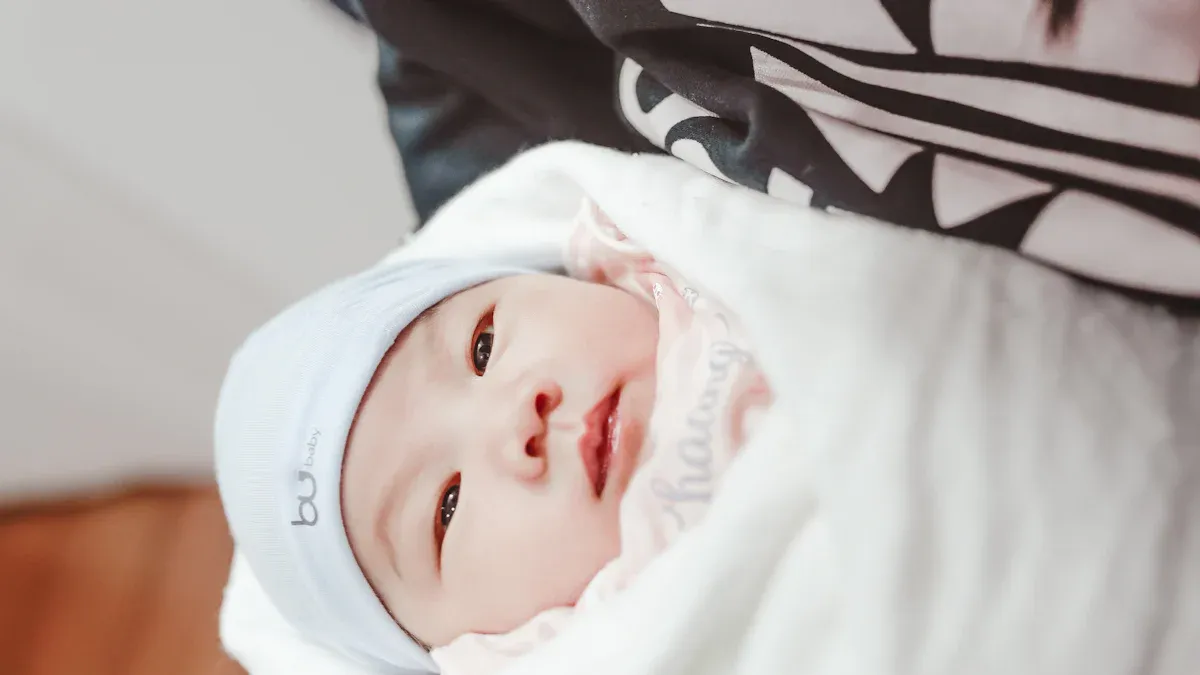
When you start shopping for your baby, you might notice the term "flannel baby blanket" everywhere. So, what does it really mean? A flannel baby blanket is a soft, cozy textile made especially for little ones. You will find that most of these blankets use cotton flannel, but some blends include wool or even a touch of nylon for extra strength. These materials work together to create a blanket that feels gentle and warm, perfect for your baby's sensitive skin.
Tip: A flannel baby blanket is not just for warmth. You can use it for snuggling, swaddling, or even as a soft surface for playtime.
Key Features of Flannel Fabric
You want your baby's blanket to feel soft and safe. Flannel fabric stands out because it checks both boxes. Here are some reasons why parents love it:
Soft flannel feels gentle on your baby's delicate skin.
The fabric keeps your baby warm without making them too hot.
Flannel baby blankets often last through many washes, so you get great value.
You can trust a flannel baby blanket to provide comfort and coziness, whether you use it at home or on the go.
Typical Sizes and Uses
Flannel baby blankets come in different sizes, each with its own purpose. You might wonder which size works best for your needs. Check out this table to see the most common sizes and how you can use them:
Blanket Type | Size (inches) | Uses in Newborn Care |
|---|---|---|
Swaddling Blanket | 40-44 (square) | Wrap your baby snugly to mimic the warmth of the womb. |
Receiving Blanket | 30-32 (square) | Use for diaper changes, tummy time, burping, or cleaning up small messes. |
| 18 (square) | Try smaller versions for quick cleanups or as a comfort item. |
Crib Blanket | 30-40 x 40-60 (rectangular) | Keep older babies warm in their crib (not for newborns under one year). |
You will probably use a flannel baby blanket as a receiving blanket first. This size works for swaddling, burping, and even as a light cover during stroller rides. As your baby grows, you might switch to a larger crib blanket for extra warmth.
A flannel baby blanket offers more than just softness. It gives you flexibility for many daily tasks, from keeping your baby cozy to cleaning up little spills. You will soon see why so many parents choose this classic option.
Benefits for Baby's Comfort
Softness and Warmth
When you touch a flannel baby blanket, it feels very soft. The fuzzy top is gentle on your baby's skin. You want your baby to feel cozy when they sleep or rest. Flannel blankets help make a warm spot for your baby.
Let’s look at how flannel is different from other baby blanket materials:
Material | Softness | Warmth |
|---|---|---|
Flannel | Fuzzy surface | Warmer than muslin |
Knit Cotton | Gentle give | Moderate warmth |
Fleece | Lightweight | Reliable warmth |
Minky | Ultra-plush | Varies |
Minky feels extra soft, and fleece is warm and not expensive. Flannel is warmer and softer than muslin, but not as thick as fleece. This makes flannel a good choice for parents who want both comfort and warmth for their baby.
Tip: A flannel baby blanket keeps your baby warm on cold nights and cool mornings. You can use it for cuddling, swaddling, or to help your baby feel safe.
Breathability and Hypoallergenic Qualities
You want your baby to be comfy, but not get too hot. Flannel baby blankets let air move through the fabric. This helps your baby stay at a good temperature. Many flannel blankets are made with cotton, which is gentle and does not bother most skin. If your baby has sensitive skin, you can find flannel that is hypoallergenic.
Flannel lets your baby’s skin breathe.
The soft fabric helps stop rashes and irritation.
Hypoallergenic choices help parents worry less.
You can count on a flannel baby blanket to keep your baby comfy all year. It feels soft, keeps your baby warm, and helps protect your baby’s skin.
Flannel Baby Blanket vs. Other Materials
Picking a baby blanket can be hard. There are many choices like flannel, cotton, muslin, fleece, and bamboo. Each one has good things about it. Let’s see how flannel compares to the others.
Cotton
Many parents like cotton blankets. They are soft and gentle on your baby’s skin. Cotton lets air move through and is simple to wash. It is good for babies with sensitive skin and stays nice after many washes. Flannel is made from cotton or blends. It gives more warmth and feels cozy, especially when it is cold.
Feature | Cotton | Flannel |
|---|---|---|
Comfort | Breathable and skin-friendly, ideal for sensitive skin | Provides warmth and thermal insulation, good for colder conditions |
Durability | Strong durability and easy to clean | Less durable than cotton but offers warmth |
Safety | No chemical additives, suitable for newborns | Safe but primarily focused on warmth |
Tip: Flannel is great for cold nights. Cotton is better for warm days because it is light.
Muslin
Muslin is light and lets air in. Parents pick muslin blankets for hot weather or warm homes. If you worry about your baby getting too hot, muslin helps keep them cool. Flannel is better when you want your baby to feel warm and snug.
Muslin is good for summer or hot rooms.
Flannel is best for cold rooms or outside walks.
Some parents say, “I use muslin if my home is warm.”
Flannel is a good pick for winter. Muslin is better for hot days.
Fleece
Fleece blankets are soft and fluffy. They hold heat and pull sweat away, so your baby stays dry. Fleece is light and good for layering. Flannel keeps your baby warm and lets air in, but does not pull sweat away as well as fleece.
Fabric | Moisture-Wicking | Temperature Regulation |
|---|---|---|
Fleece | Excellent | Good |
Flannel | Moderate | Good |
Fleece keeps your baby dry and warm.
Flannel gives warmth but does not make your baby too hot.
Fleece is good for outside trips.
You might use flannel for naps inside. Fleece is nice for stroller rides when it is cold.
Bamboo
Bamboo blankets are very soft and stretch easily. They let air in and help keep your baby at the right temperature. Bamboo is great for swaddling and is gentle on sensitive skin. Flannel is strong and gets softer after washing, but it may not keep your baby as cool as bamboo when it is hot.
Fabric Type | Advantages | Disadvantages |
|---|---|---|
Bamboo Rayon | Super soft, breathable, stretchable, good for swaddling, thermoregulates | Manufactured using toxic chemicals, loses antibacterial properties, classified as synthetic fabric |
Flannel | Soft, durable, becomes softer with washing, breathable | May not be as effective in warmer climates compared to bamboo, depends on cotton quality |
Note: Bamboo is nice for swaddling and summer naps. Flannel is cozy for cold days and bedtime snuggles.
You have many choices. Think about what your baby needs and how warm or cool your home is. You will find the right blanket for every season.
Uses of Baby Receiving Blanket
A baby receiving blanket is very helpful for new parents. You will use these soft flannel squares many times each day. They do much more than just keep your baby warm.
Swaddling and Wrapping
Swaddle blankets help babies feel safe and snug. Wrapping your baby in one can remind them of the womb. Many parents pick flannel swaddle blankets because they are soft and cozy. Here is how swaddle blankets help newborns:
Evidence Type | Details |
|---|---|
Study on Swaddling | A study from Washington University found swaddled babies sleep better. They wake up less and get more REM sleep. REM sleep helps their brains grow. |
Temperature Regulation | Babies have trouble keeping warm. Swaddling with cotton flannel helps them stay warm when it is cold. |
You can use swaddle blankets for naps, bedtime, or to calm your baby.
Burping Cloth
You need something to catch spit-ups. Flannel receiving blankets work well as burping cloths. Put a swaddle blanket over your shoulder before you burp your baby. The fabric soaks up messes and feels gentle on your baby’s skin.
Tummy Time
Tummy time helps babies build strong muscles. Put a baby receiving blanket on the floor for a soft, clean spot. Flannel swaddle blankets make tummy time cozy and comfortable.
Stroller and Car Seat Cover
You can use receiving blankets to cover your stroller or car seat. A swaddle blanket protects your baby from sun, wind, or cold air. It also gives your baby a familiar scent while you travel.
Nursing Cover
Many parents use receiving blankets as nursing covers. Put a swaddle blanket over your shoulder for privacy. Flannel swaddle blankets make a private and airy space for feeding your baby.
Tip: Here are some ways to use flannel baby receiving blankets:
Swaddle blanket
Diaper changing mat
Tummy time mat
Stroller cover
Photo backdrop
Mess cleaner
Nursing cover
You will see that swaddle blankets and receiving blankets are must-haves for new parents. They keep your baby cozy and help with many daily tasks.
Security and Safety Tips
When you bring your baby home, you want them safe. Flannel baby blankets make things cozy, but you must use them right. It is important to know how to keep your baby secure and comfortable.
Safe Sleep Guidelines
You want your baby to sleep well and stay safe. Experts say babies should always sleep on their backs. The crib or bassinet needs a flat, firm mattress and a tight sheet. Do not put loose bedding, like flannel baby blankets, in the crib. This lowers the risk of suffocation and SIDS.
A safe sleep space has no pillows or stuffed animals. There should not be extra blankets either. If you worry about warmth, use a sleep sack or wearable blanket. This keeps your baby cozy without loose items that could be risky.
Tip: Always check the room temperature. Dress your baby in layers instead of using loose blankets. This helps your baby stay safe and comfortable all night.
Preventing Suffocation Risks
You want to keep your baby away from danger. Accidental suffocation is the top cause of injury death for babies under one. Studies show 82% of these deaths are from suffocation or strangulation in bed. Most accidents happen because of soft bedding, like blankets.
To keep your baby safe, do not put soft or loose things in the crib. Even though flannel feels nice, it should not be in the crib with a sleeping baby. Use flannel baby blankets only when you can watch your baby, like during tummy time or stroller rides.
Keep blankets, pillows, and toys out of the crib during sleep.
Use flannel baby blankets only when you are watching your baby.
Make sure your baby’s face is never covered.
Your baby’s safety is most important. By following these steps, you help make a safe sleep space and lower suffocation risks.
Age-Appropriate Use
You might wonder when it is safe to use a flannel blanket for sleep. Experts say to wait until your baby is at least one year old. Babies under one have a higher risk of suffocation and SIDS with loose bedding.
Here is a quick guide for safe use:
Do not use flannel baby blankets for sleep until your baby is one.
After your baby turns one, you can use a flannel blanket for warmth and comfort.
Always watch your baby when using a blanket for play or outings.
As your baby grows, you can use flannel baby blankets in more ways. For newborns, focus on safety and do not use loose bedding. For toddlers, a flannel blanket can add warmth and help them feel secure at bedtime.
Note: Every baby is different. Ask your pediatrician if you have questions about your baby’s comfort or safety.
You want your baby to feel safe and cozy. You also want to follow the best safety rules. When you use flannel baby blankets the right way, you give your child both comfort and security as they grow.
Choosing a Flannel Baby Blanket
Size and Thickness
Picking the right size and thickness for your flannel baby blanket makes a big difference. You want your baby to feel cozy, but not too hot or cold. Think about your climate and how you plan to use the blanket. Here’s a quick guide to help you choose:
Climate Suitability | Key Features | |
|---|---|---|
Breathable Fabrics | Warm climates | Lightweight, allows for airflow, prevents overheating |
Fleece | Cold climates | Super warm and soft, ideal for winter |
Quilted Cotton/Flannel | Versatile for all | Cozy and breathable, good for warmth and comfort |
If you live somewhere warm, go for lighter, breathable flannel. For chilly nights, a thicker or quilted flannel keeps your baby snug.
Quality and Weave
You want a blanket that feels soft and lasts through many washes. Flannel stands out because of its thick, soft texture. This makes it perfect for keeping your baby warm and comfortable, especially in colder weather. Just remember, flannel does not breathe as much as muslin or bamboo. Always check your baby to make sure they do not get too warm.
Organic and Hypoallergenic Options
If your baby has sensitive skin, you might want to look for organic or hypoallergenic flannel blankets. These blankets use gentle materials like 100% cotton or bamboo. They help lower the risk of allergies and skin irritation. Organic flannel feels soft and smooth, giving your baby a safe and comfy place to rest.
Tip: Hypoallergenic and organic blankets are great for babies with allergies or eczema.
DIY Flannel Baby Blanket Tips
Making your own flannel baby blanket can be fun and personal. Here are some tips to help you get started:
Pick a soft, thick 100% cotton flannel for comfort.
Always prewash your fabric to remove any chemicals and prevent shrinking.
Cut your fabric to the right size—swaddle blankets (40–48"), crib blankets (28 x 52"), stroller blankets (30 x 35"), or receiving blankets (30 x 30").
Sew with a ½" seam allowance, leave a gap, then turn the blanket right side out.
Topstitch the edges for extra strength.
Remember: Use only soft, non-toxic materials and always prewash to keep your blanket safe for your baby.
Care and Maintenance
Washing Instructions
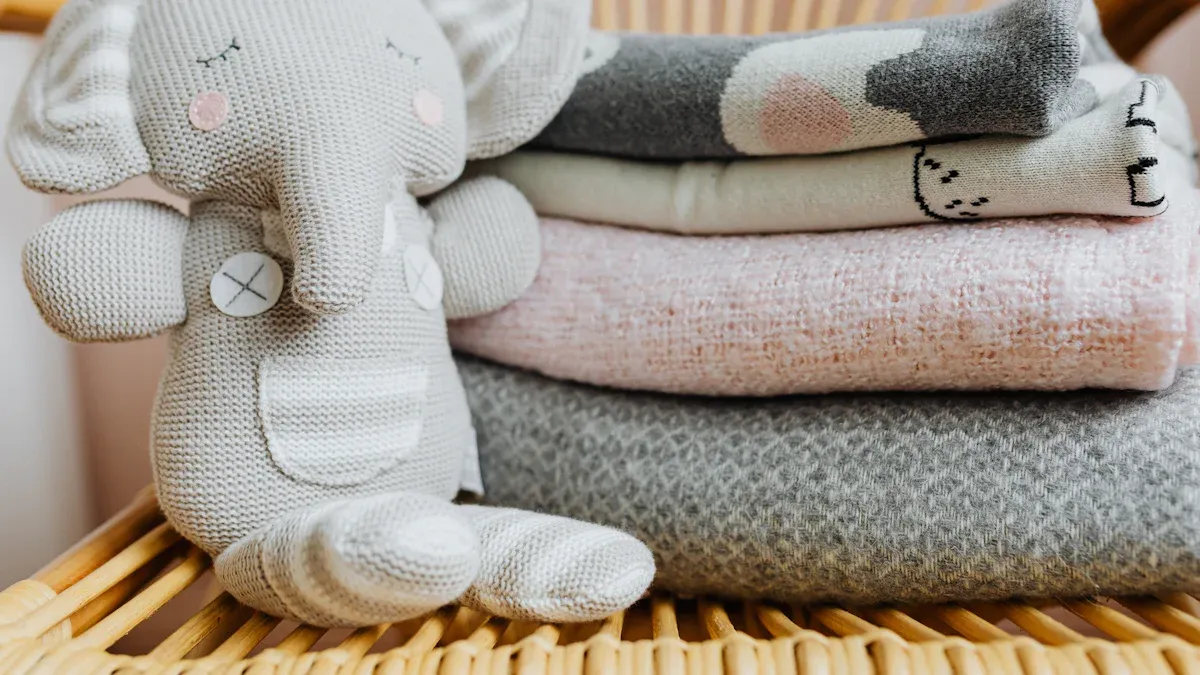
You want your flannel baby blanket to stay soft and last a long time. Always wash it in lukewarm water on a gentle or normal cycle. This helps keep the fabric smooth and prevents pilling. Choose a mild detergent and skip bleach or fabric softener. These can fade the colors and make the blanket less breathable. After washing, shake out the blanket and let it air dry or use a low-heat dryer setting. This keeps the blanket fluffy and helps it stay warm for your baby.
Tip: Wash flannel baby blankets separately from rough fabrics like towels. This protects the soft, breathable fibers.
Stain Removal
Babies can be messy, but you can handle stains without hurting your flannel blanket. Try these steps for the best results:
Pretreat stains right away. Use an enzyme stain remover or mix laundry detergent with water (1:1). Dab this on the stain.
Let the blanket soak for a few minutes before washing.
Wash using a gentle or normal cycle with lukewarm water. This keeps the fabric breathable and strong.
Only use detergent. Avoid bleach and fabric softener, which can damage the flannel and reduce its warmth.
You will notice that quick action and gentle care keep your blanket looking fresh and feeling warm.
Storage Tips
When you store flannel baby blankets, you want to keep them clean and safe. Follow these steps to prevent mold, mildew, and fabric damage:
Keep blankets away from light. Store them in opaque boxes or close the blinds in your storage area.
Watch the temperature and humidity. Try to keep the room at 65-75 degrees and humidity between 45-55%. This protects the breathable fabric and keeps it from getting brittle.
Use safe storage containers. Pick polypropylene plastic tubs and wrap blankets in acid-free tissue. Stay away from wood or boxes with acid, which can harm the fabric.
A little care goes a long way. Your flannel baby blankets will stay soft, breathable, and ready to give your baby warmth and comfort whenever you need them.
You get warmth, softness, and versatility with flannel baby blankets. The fuzzy texture feels gentle on your baby’s skin and works for swaddling, burping, or changing. If you want to make safe choices, pick breathable cotton flannel and follow expert tips for sleep and swaddling. Take care of your blanket by washing gently and storing it in a cotton bag.
Do’s | Don’ts |
|---|---|
Use cold water and gentle detergent | Use hot water or bleach |
Air-dry flat or use low-heat tumble dry | Dry on high heat |
You’re doing great, parents! Your baby will love the comfort you provide.
FAQ
How many baby blankets do you need for a newborn?
You need at least four to six baby blankets. This covers daily use, laundry days, and emergencies. You want enough to meet your baby's needs and keep a clean one handy. Baby blankets are true newborn essentials.
Is a flannel baby blanket a good baby shower gift?
Yes! A flannel baby blanket makes a thoughtful baby shower gift. You give something practical that parents use every day. Many parents love receiving a soft, cozy baby blanket as a gift for their little one.
Can you use a baby blanket for more than just swaddling?
Absolutely. You can use a baby blanket for swaddling, tummy time, burping, or as a stroller cover. This makes it a practical choice for your baby's needs. You get a lot of use from one simple item.
How do you choose the right baby blanket for your baby's specific needs?
Think about your baby's well-being, comfort, and allergies. Look for soft, breathable fabric. Pick a size that fits your baby's needs. If you want a practical gift, choose a baby blanket that matches your baby's first security blanket style.
Why do parents say a baby blanket is a practical gift?
Parents say a baby blanket is a practical gift because you use it every day. You can wash it easily. It works for many needs. You can give a baby blanket for any occasion, and it always feels special.
https://www.liangliangbaby.com/complete-guide-flannel-baby-blanket-for-new-parents.html