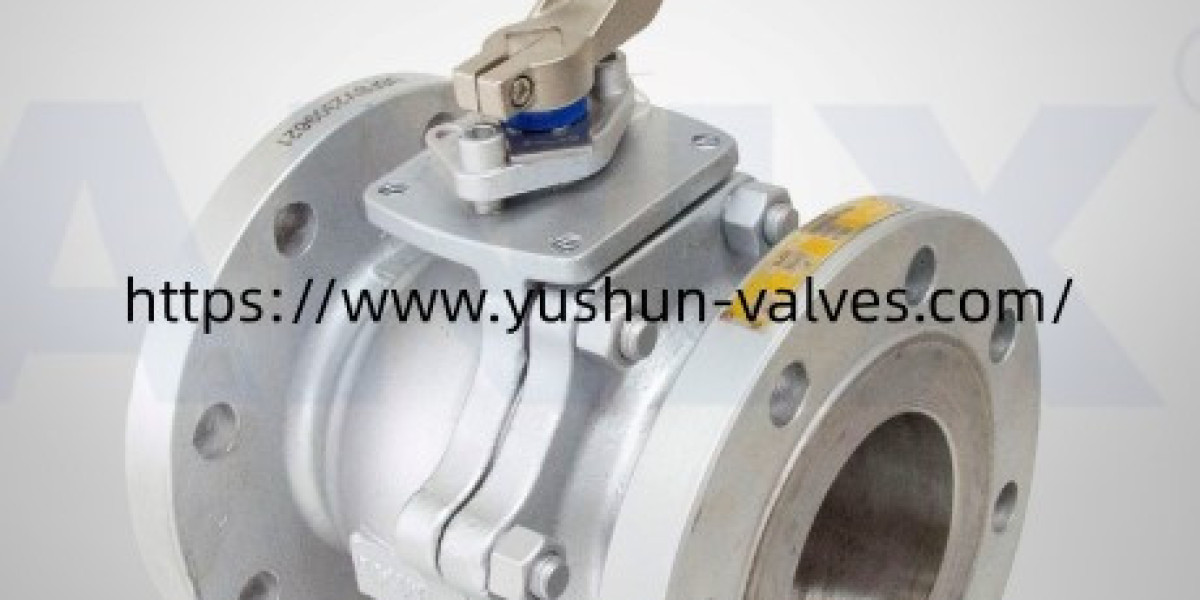

Industrial fluid systems rely on components that can provide dependable control while fitting naturally into piping, equipment, installation procedures, and maintenance routines. For businesses evaluating a Stainless Steel Ball Valve, the purchasing decision involves more than selecting a corrosion-resistant valve body. Material coordination, application requirements, functional engineering, user experience, maintenance, and visual design all influence how effectively a valve supports a complete fluid-management system.
Material selection is one of the most important foundations of valve development. Stainless steel is widely considered for applications where corrosion resistance, cleanliness, durability, and surface quality are important. Different stainless steel grades can have different characteristics, so engineers need to understand the intended fluid, environmental conditions, processing requirements, and service expectations before selecting an appropriate material. The choice should be connected with the complete valve structure rather than treated as an isolated material decision.
Internal component selection also requires careful consideration. A ball valve may contain a body, ball, stem, seats, seals, connection sections, and supporting components. These elements interact continuously during opening and closing, so their material compatibility and surface condition can influence operation. Engineers consider sealing relationships, wear behavior, machining characteristics, and assembly requirements to create a coordinated product structure.
Purchasing decisions should begin with the actual application. Ball valves may be used in water treatment, industrial processing, food-related systems, chemical handling, building services, agriculture, and other fluid-management environments. Buyers can consider the handled medium, surrounding atmosphere, connection method, installation position, maintenance access, cleaning practices, and relationship with other piping equipment. This broader approach helps customers choose a valve according to the needs of the complete system.
Supplier evaluation is equally important. A suitable manufacturer should provide material knowledge, engineering support, quality management, production experience, clear communication, and flexible product development. Customers may also benefit from suppliers that can discuss valve structure and application compatibility before production begins. Zhejiang Yushun Valve Co., Ltd. develops industrial valve products with attention to engineering requirements, manufacturing quality, and diverse customer applications.
Functional engineering has a direct effect on valve usability. Engineers need to coordinate the ball, stem, seats, seals, body cavity, and operating mechanism so that the valve can open and close in a controlled manner. Sealing areas require careful attention because they influence the relationship between moving and stationary components. Connection sections should also be designed to integrate naturally with surrounding piping and equipment.
Manufacturing technology continues to influence valve quality and consistency. Digital modeling allows engineers to examine valve geometry, internal passages, component relationships, and assembly concepts before production. Modern casting, forging, machining, grinding, polishing, surface treatment, assembly, and inspection processes can support consistent manufacturing. Production feedback can then be used to refine individual components and improve the overall manufacturing workflow.
User experience is an important consideration because installers, operators, and maintenance technicians interact with valves throughout their working lifecycle. Clear operating components can make daily use easier to understand, while organized connection areas can simplify installation. Accessible service sections can also help technicians inspect relevant components with less disruption. A product designed around real technical workflows can make equipment management more convenient.
Maintenance should be considered during the initial design stage. Industrial piping environments may expose valves to moisture, dust, residue, cleaning agents, corrosive substances, and repeated operation. Material selection and surface treatment can influence routine cleaning, while accessible construction can make inspection and service more manageable. A practical maintenance concept helps technicians keep the valve and surrounding system in better working condition.
Design and appearance also contribute to the perception of equipment quality. Stainless surfaces can provide a clean and professional visual character that suits industrial, commercial, and architectural environments. Consistent machining, polished or refined surfaces, organized operating components, and clean connection areas can reflect attention to manufacturing detail. Visual clarity can also help technicians identify operating or service sections more easily.
Customization provides greater flexibility for specialized fluid-control projects. Customers may require different body configurations, sealing concepts, connection arrangements, operating methods, surface finishes, or supporting accessories depending on their systems. Flexible engineering allows manufacturers to adapt valve designs around individual project requirements while maintaining practical production methods. Close cooperation among customers, designers, engineers, and production teams can improve the connection between the valve and its intended application.
Quality management connects raw material evaluation, casting or forging, machining, heat treatment, finishing, assembly, inspection, packaging, and customer feedback. Consistent procedures help manufacturers maintain stable product quality while identifying opportunities for process improvement. Feedback from installers and operators can also reveal useful information about sealing, operation, accessibility, cleaning, maintenance, and system integration, supporting future product development.
Zhejiang Yushun Valve Co., Ltd. continues developing industrial valve solutions through engineering experience, manufacturing knowledge, quality-focused processes, flexible product development, and attention to customer application requirements. Its approach connects material selection, internal component coordination, sealing technology, functional engineering, installation convenience, maintenance, and professional product design to support different fluid-control environments. More information about its products and capabilities is available at https://www.yushun-valves.com/product.