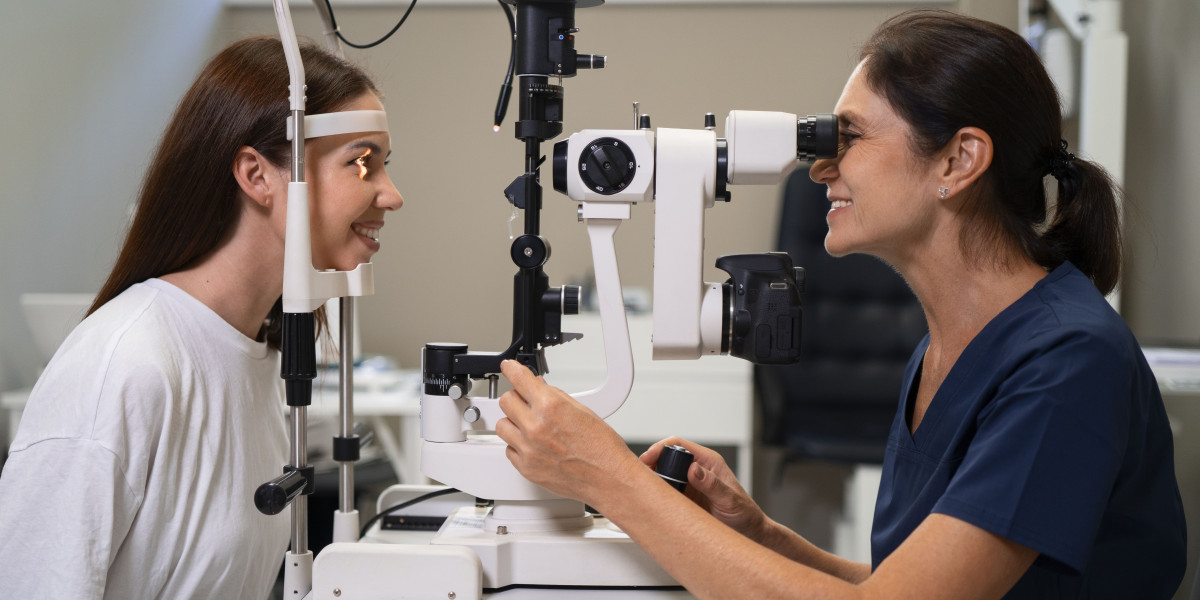

Retinal imaging technology has become an increasingly important component of modern eye care. Eye clinics, hospitals, optical practices, and diagnostic centers use retinal imaging to document ocular health, identify abnormalities, monitor changes over time, and support informed clinical decisions. As preventive eye care becomes more important, access to reliable retinal imaging can help professionals detect potential problems before they cause significant visual impairment.
However, purchasing retinal imaging equipment is a substantial clinical investment. The value of a system cannot be determined simply by its purchase cost or the number of technical features it offers. A worthwhile investment should provide dependable image quality, consistent performance, efficient workflows, useful software, and long-term reliability.
Clinics should therefore evaluate retinal imaging technology from both clinical and operational perspectives. Equipment that improves diagnostic confidence while reducing unnecessary delays and supporting long-term patient monitoring can deliver significant value throughout its working life.
Better Visualization Supports Accurate Assessment
The primary purpose of retinal imaging is to provide clinicians with detailed visual information about the retina. Clear images allow professionals to examine important structures and document findings accurately.
High-quality imaging can support evaluation of:
- Retinal blood vessels
- Macular structures
- Optic nerve appearance
- Retinal pigmentation
- Tissue integrity
- Areas of swelling or bleeding
Detailed visualization can provide valuable information that complements other components of a comprehensive eye examination.
Early Detection Can Improve Patient Care
Many retinal conditions develop gradually and may not produce noticeable symptoms during the early stages. A patient can maintain relatively good visual function while subtle structural abnormalities are already present.
Regular retinal imaging can help clinicians identify early changes and determine whether further evaluation or monitoring is appropriate.
Early identification may support:
- Timely clinical intervention
- More effective monitoring
- Better treatment planning
- Reduced risk of progression
- Improved long-term vision management
The ability to establish a baseline and identify changes over time makes retinal imaging valuable for preventive care.
Consistent Imaging Supports Long-Term Monitoring
Retinal conditions often require ongoing observation rather than a single examination. Consistent imaging enables clinicians to compare current findings with previous images and recognize gradual changes.
Long-term imaging records can help professionals:
- Monitor disease progression
- Evaluate treatment response
- Identify new abnormalities
- Document clinical changes
- Plan appropriate follow-up
This makes imaging technology particularly valuable in patients who require repeated retinal evaluations.
Image Quality Should Be Evaluated Carefully
Not every imaging system provides the same level of clinical performance. When comparing equipment, practices should look beyond general specifications and assess the quality and consistency of the images produced.
Important factors include:
- Image resolution
- Retinal detail
- Clarity
- Field of view
- Image consistency
- Ease of image review
The appropriate level of performance depends on the clinical applications of the practice. The best investment is a system that provides sufficient quality for the examinations performed regularly.
Automation Can Improve Workflow Efficiency
Modern retinal imaging systems may incorporate automated alignment, focusing, tracking, and image acquisition functions. These capabilities can reduce manual intervention and simplify routine procedures.
Automation may help:
- Improve patient positioning
- Reduce operator workload
- Increase image capture consistency
- Shorten examination time
- Improve patient throughput
For high-volume practices, workflow improvements can create substantial operational value over time.
Understand the Financial Investment
Purchase cost is naturally an important consideration, but it should not be evaluated in isolation. When comparing Fundus Camera Price, clinics should also consider image quality, field of view, automation, software, installation, training, warranty, maintenance, technical support, and expected equipment lifespan.
A system with a higher initial cost may offer greater long-term value if it delivers reliable performance, reduces workflow delays, requires less maintenance, and remains clinically useful for many years.
The goal should be to identify the best balance between clinical performance and total ownership value.
Evaluate Total Cost of Ownership
The real cost of diagnostic equipment includes more than the initial purchase. Clinics should consider all expenses associated with operating and maintaining the system.
These may include:
- Purchase investment
- Installation
- Staff training
- Preventive maintenance
- Repairs
- Software support
- Technical service
- Downtime
- Replacement costs
A complete ownership assessment provides a clearer picture of the equipment's financial value over time.
Reliability Protects Clinical Operations
Retinal imaging equipment may be used many times throughout a working day. Frequent technical problems can disrupt patient appointments and reduce productivity.
Reliable equipment helps practices:
- Minimize downtime
- Maintain appointment schedules
- Reduce unexpected service costs
- Improve staff efficiency
- Deliver consistent patient care
Long-term reliability is therefore an important part of clinical and financial planning.
Digital Software Adds Practical Value
Modern retinal imaging is increasingly dependent on digital software for image storage, review, comparison, reporting, and patient management.
Useful software capabilities may include:
- Digital image storage
- Image comparison
- Patient data management
- Report generation
- Image retrieval
- Data export
- Network connectivity
Effective software can make long-term monitoring easier while reducing manual documentation.
Choosing an Experienced Technology Provider
The equipment provider plays an important role in maximizing the value of a retinal imaging investment. Installation, product training, warranty assistance, and after-sales service can influence how efficiently the system performs throughout its operational life.
Matronix Optotechnik provides advanced ophthalmic diagnostic solutions for optical stores, eye clinics, hospitals, and diagnostic centers, with a focus on precision, reliability, usability, and efficient clinical workflows. Its support approach includes installation, product training, warranty assistance, and after-sales support, helping professional users implement and maintain diagnostic technology effectively.
Choosing an experienced provider can help clinics make informed equipment decisions and reduce operational risks.
Consider Patient Experience
The value of diagnostic technology is also reflected in the patient experience. Efficient imaging procedures can reduce waiting time and minimize unnecessary repetition.
Patients may benefit from:
- Shorter examination times
- Comfortable imaging procedures
- Reduced waiting
- Clearer explanations of findings
- Greater confidence in their care
A smooth diagnostic process can strengthen patient satisfaction and encourage regular eye examinations.
Match Equipment to Patient Volume
The ideal retinal imaging system depends partly on the practice's workload. A small clinic may have different requirements from a high-volume eye hospital.
Before purchasing, consider:
- Daily imaging volume
- Peak appointment periods
- Number of operators
- Examination-room availability
- Expected patient growth
Equipment should be capable of handling the expected workload without requiring unnecessary expenditure on features that are not needed.
Consider Future Growth
A technology investment should ideally remain useful as the practice expands. New clinicians, increased patient numbers, additional examination rooms, and expanded retinal services may create new requirements.
Future-ready systems can support:
- Higher patient throughput
- Additional operators
- Expanded retinal services
- Digital workflow integration
- Software improvements
- Multiple locations
Planning for future needs can reduce the likelihood of premature replacement.
Review Warranty and Service Support
Warranty and after-sales support can significantly influence long-term equipment value.
Before purchasing, clinics should review:
- Warranty duration
- Coverage terms
- Installation assistance
- Operator training
- Preventive maintenance
- Technical support
- Spare parts availability
- Service response times
Strong support can help reduce downtime and protect the investment.
Avoid Paying for Unnecessary Features
Advanced technology can include many features, but not every clinic needs all of them. Paying for capabilities that are rarely used can increase costs without providing meaningful clinical benefits.
Before selecting additional features, ask:
- Will clinicians use them regularly?
- Do they improve image quality?
- Do they reduce examination time?
- Do they support better patient monitoring?
- Will they remain useful as the practice grows?
Practical functionality should take priority over a long specification list.
Compare Multiple Systems
A structured comparison can help practices identify the most suitable system.
| Evaluation Area | What to Compare |
|---|---|
| Image Quality | Resolution, clarity, and consistency |
| Field of View | Retinal coverage |
| Automation | Alignment, focusing, and image capture |
| Workflow | Speed and ease of operation |
| Software | Storage, review, and reporting |
| Reliability | Durability and service life |
| Support | Warranty, training, and technical service |
| Scalability | Future practice requirements |
| Cost | Total ownership value |
Comparing systems across these factors provides a clearer understanding of their practical value.
Measure the Clinical Return on Investment
A worthwhile clinical investment should create measurable benefits beyond the ability to capture images. Improved documentation, faster workflows, fewer repeated captures, and better patient monitoring can all contribute to operational and clinical value.
Potential benefits include:
- Improved diagnostic confidence
- More efficient examinations
- Better patient documentation
- Reduced workflow interruptions
- Stronger long-term monitoring
- Improved patient satisfaction
Evaluating these outcomes helps practices understand how imaging technology contributes to overall clinical performance.
Conclusion
Retinal imaging technology becomes a worthwhile clinical investment when it combines dependable image quality, diagnostic usefulness, workflow efficiency, reliability, and long-term support. Practices should look beyond the initial purchase amount and evaluate how the system will perform under real clinical conditions throughout its useful life.
By selecting equipment that matches patient volume, supports accurate retinal assessment, integrates effectively with digital workflows, and provides reliable long-term performance, eye care practices can improve patient care while building a stronger and more sustainable clinical operation.