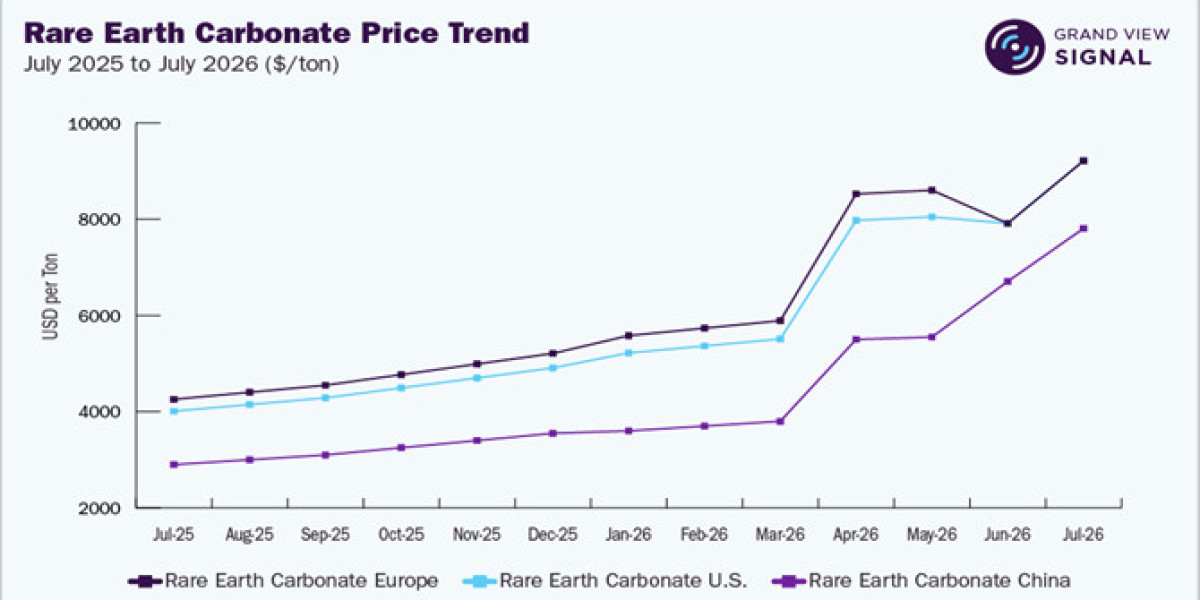

Ever wonder why global commodity markets feel so unpredictable lately? The primary driver is a rapidly shifting environment where unexpected supply bottlenecks, evolving regulatory measures, fluctuating currencies, and volatile energy costs continuously disrupt commercial planning. While stable demand from expanding industries like electric vehicles (EVs) and energy storage provides an underlying foundation, minor and specialty metals—such as rare earth carbonate, which surged 16.4% month-on-month in China—are tracking distinct upward paths.
Whether managing unexpected export quota shifts in the Democratic Republic of Congo (DRC), monitoring smelter overhauls in China, or timing raw material purchases against foreign exchange fluctuations, platforms like Grand View Signal deliver data-driven market clarity. Non-ferrous metals recorded mixed and volatile movement during July 2026 as physical supply conditions, mine restarts, trade-policy expectations, and geopolitical developments affected the different segments.

Here is an analysis of major non-ferrous metal dynamics and the key economic forces driving today’s market.
1. Copper Strengthens Amid Squeezed Supplies and Higher Chinese Demand
Copper valuations experienced solid upward support recently, largely underpinned by tighter refined copper availability within China and key global hubs. Several simultaneous developments contributed to this supply compression:
- Surge in Chinese Imports: Refined copper inflows into China reached a nine-month peak. This import surge occurred as scheduled maintenance across domestic smelters limited local production, prompting buyers to seek overseas volumes.
- Declining Exchange Stockpiles: Copper inventories held in Shanghai warehouses fell sharply from their March peaks. Concurrently, London Metal Exchange (LME) inventories shrank, with a substantial portion of remaining stocks already designated for delivery.
- Shipments Diverted to North America: Metal continued flowing toward North American destinations, further reducing freely tradeable inventories across European and Asian trading hubs.
Although broader industrial usage remains somewhat mixed, these supply constraints placed a firm floor under copper prices. Nevertheless, elevated price levels have made fabricators cautious. Many end-users are restricting purchases to immediate operational requirements or increasing their intake of recycled scrap to control expenses. Market participants are carefully monitoring Chinese import volumes, smelter maintenance schedules, U.S. trade measures, and global mine output to project upcoming price trends.
Schedule a free demo of Grand View Signal to get real-time preview of price fluctuations in the Non-Ferrous Metals Sector
2. Regional Aluminum Output Recovers Across Middle Eastern Smelters
The aluminum market has closely tracked the steady operational recovery of Middle Eastern production facilities. After initial output cuts in the Gulf region temporarily supported prices, key processing assets are resuming standard operations.
- Alumina Processing Resumes: Emirates Global Aluminium restarted alumina output at its Al Taweelah facility in mid-July, rapidly restoring half of its total capacity within days. This swift recovery reduced concerns over a prolonged feedstock shortage.
- High Operational Rates in China: Chinese smelters maintained elevated operating rates, while semi-finished metal exports from China and primary aluminum shipments from Indonesia helped bridge the supply gap caused by the temporary Middle Eastern disruption.
- Futures and Physical Market Divergence: As raw material concerns receded, forward supply premiums in futures trading weakened. Conversely, physical spot premiums remained elevated because fully ramping up primary aluminum smelting takes time.
While immediate anxiety surrounding feedstock availability has subsided, the physical market continues to adjust as full primary capacity is restored across affected facilities.
3. Projected Lithium Capacity Restrains Sustained Price Rallies
Lithium carbonate experienced a temporary price recovery driven by steady purchasing from EV manufacturers, battery producers, and stationary grid-storage suppliers. However, that upward momentum soon plateaued as medium-term supply expectations improved.
- Restart of Major Mining Assets: China’s CATL obtained the required safety clearances to resume operations at its Jianxiawo mine following an almost year-long suspension. The return of this major asset, alongside other mine restarts, significantly lessened fears of a structural lithium shortage.
- Disciplined Downstream Procurement: Downstream buyers remain reluctant to accumulate high-cost inventories. Instead, most operators are maintaining a just-in-time purchasing stance, procuring only the volumes required to meet short-term manufacturing schedules.
- Support from Energy Storage Demand: Steady absorption of lithium-iron-phosphate (LFP) chemistry for stationary energy storage systems continues to provide a dependable demand floor for lithium carbonate.
Ultimately, stronger supply projections and adequate inventory buffers prevented early-month price gains from turning into a sustained multi-month rally.
Get historical, current, and forecast non-ferrous metals price assessments. Request Free Access to Grand View Signal
4. Cobalt Supply Channels Constrained by Strict DRC Export Controls
Cobalt markets received renewed pricing support following tighter export management by the Democratic Republic of Congo (DRC), the principal global producer. As reported by Reuters, the DRC instituted export bans on unrefined copper and cobalt concentrates as part of an escalating strategy to enforce domestic processing and capture higher value from its mineral wealth.
- Export Quota Reallocations: The DRC administration revoked unused first-half export allocations and transferred them to a state-managed strategic reserve quota. This policy adjustment grants the government greater oversight over outbound international supply flows.
- Customs Platform Delays: Administrative bottlenecks and technical glitches within the digital customs system complicated timely shipment registration, raising the risk that certain producers could forfeit portions of their assigned quotas.
- Downstream Inventory Buffers: While these regulatory hurdles tightened near-term supply expectations, the impact was primarily felt in upstream raw concentrates rather than refined chemicals. Downstream battery manufacturers still hold reasonable working stocks and continue to adjust battery chemistries to minimize overall cobalt consumption.
Market analysts continue to evaluate official quota updates, customs clearance efficiency, and battery sector intake to gauge future spot availability.
5. Energy Costs, Interest Rates, and Currency Valuations Sway Precious Metals
Precious metals like gold and silver experienced notable price swings, driven predominantly by overarching macroeconomic forces rather than direct physical balance changes.
When crude oil prices climbed above USD 100 per barrel, market concerns over persistent inflation intensified, reinforcing expectations that the U.S. Federal Reserve would maintain elevated interest rates for longer. Rising rate expectations pushed Treasury yields higher, increasing the opportunity cost of holding non-yielding metals like gold and silver while boosting the U.S. dollar. In turn, the stronger greenback made precious metals costlier for overseas buyers, triggering notable price pullbacks even during periods of heightened geopolitical risk. This dynamic illustrated how elevated energy costs and tight monetary policy can offset safe-haven demand.
Consequently, precious metals rallied whenever the dollar experienced temporary weakness, though energy-driven inflation fears repeatedly capped sustained upward price runs.
Access commodity-wise monthly forecast datasets for the next 6 months. Request Free Access to Grand View Signal
Essential Indicators: Critical Market Triggers to Watch
Navigating non-ferrous commodities requires looking beyond current spot valuations to anticipate upcoming supply disruptions. Grand View Signal enables commercial teams to focus on the key indicators shaping market direction:
- Smelter Utilization & Maintenance Schedules: Track global smelter operating rates—particularly in primary hubs like China and the Gulf—to identify localized supply tightness before it impacts exchange inventories.
- Regulatory & Policy Realignments: Monitor government measures, such as the DRC’s quota adjustments or changing tariff structures in North America, that can rapidly alter global trade patterns.
- Exchange Inventories vs. Physical Demand: Contrast stockpile drawdowns across major exchanges like the LME and SHFE against real-world consumption signals from high-growth industries like EVs, renewable energy, and grid infrastructure.
By aggregating disparate data sources into clear digital dashboards, Grand View Signal converts market updates into a focused operational strategy.
Get detailed driver impact analysis on Non-Ferrous Metals Prices. Request Free Access to Grand View Signal
How Grand View Signal Translates Data into Strategic Decisions
In a volatile commodities environment, tracking rapid price swings, trade regulations, and supply bottlenecks requires more than basic news updates. Grand View Signal translates complex market data into actionable business strategies, helping procurement executives and operational managers execute timely decisions.
Rather than reacting to supply disruptions after margins are squeezed, the platform provides analytical tools to evaluate market conditions and optimize commercial execution:
- Identify Real-Time Trends & Forecasts: Leverage monthly pricing assessments, long-term benchmarks, and risk analytics to determine whether a price movement is a temporary fluctuation or a structural trend.
- Optimize Procurement Timing: Structure raw material purchases efficiently. For example, when lithium prices adjust following mine restarts, this SaaS platform helps teams purchase precise volumes for immediate needs without over-allocating capital to working inventory.
- Strengthen Contract Negotiations: Use transparent regional supply data and physical premium trends to negotiate balanced supplier agreements rather than accepting unverified cost surcharges.
- Assess Alternative Material Options: When primary metal prices escalate, this commodity intelligence platform supplies fabricators with the data necessary to evaluate using recycled scrap metal versus buying primary refined units.