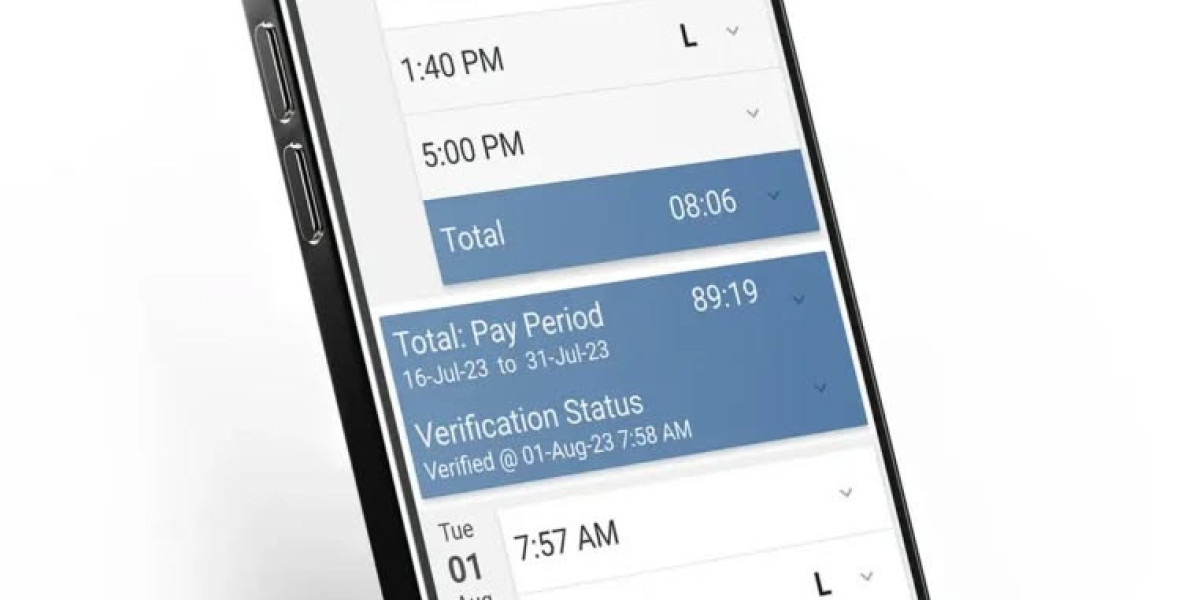

Payroll preparation often involves more than one person, especially as a business grows. One employee may review attendance records, another may verify employee information, while a payroll specialist handles calculations and final checks. When these responsibilities are divided, consistency becomes especially important. Everyone involved needs access to dependable information and a clear understanding of which details have already been reviewed.
Creating a Shared Starting Point
When several people share responsibility for payroll preparation, TimeTrex's connected attendance and employee information can help them work from a more consistent starting point as they check the details. Rather than relying on separate notes, spreadsheets, or disconnected records, team members can work with information maintained within a broader workforce management environment.
A shared starting point can make routine payroll preparation easier to organize. Employees' recorded working hours, schedules, absences, and other relevant information can be reviewed as part of the preparation process. This gives each person involved an opportunity to examine the information they need without having to recreate the same data in another system.
Making Attendance Information Easier to Review
Attendance records are an important part of payroll preparation because hours worked can directly affect employee pay. When attendance information is collected and maintained systematically, payroll staff can spend less time trying to determine where particular figures came from.
For example, a reviewer may need to check whether an employee's recorded hours match the expected schedule. Another team member might look for overtime, absences, or other adjustments before payroll moves forward. Having organized attendance information gives these reviewers a common reference point.
This can also support a more structured review process. Instead of everyone checking information in completely different ways, businesses can establish internal procedures for examining timesheets and resolving discrepancies before calculations are completed.
Keeping Employee Information Connected
Payroll preparation involves more than hours alone. Employee records may contain information that payroll personnel need when reviewing or maintaining compensation details. Keeping employee information associated with the appropriate workforce records can reduce unnecessary searching.
A connected system can be particularly useful when multiple people participate in payroll administration. One person may be responsible for maintaining employee records, while another handles payroll-related tasks. When both roles work with the same underlying information, there is less need to repeatedly transfer details between separate documents.
This approach can also help businesses maintain clearer organizational habits. When information has a logical home, team members know where to look when questions arise.
Supporting Collaboration Without Losing Structure
Having several people involved in payroll can provide useful checks, but it can also create confusion if responsibilities are not clearly defined. A structured workforce system can support collaboration while allowing businesses to establish their own review procedures.
For instance, a payroll team could assign one person to review attendance, another to verify employee changes, and another to perform the final payroll preparation. Each person can focus on a specific responsibility while working from information maintained within the same environment.
Clear roles are still important. Software does not replace internal policies or careful review. Instead, it can provide an organized foundation that helps employees follow those policies more consistently.
Reducing Repetitive Information Handling
Moving information between spreadsheets, emails, and separate applications can create additional opportunities for mistakes. Repeated data entry can also consume valuable time during every payroll cycle.
A connected workforce platform can reduce some of this repetition by keeping relevant attendance and employee information together. When fewer manual transfers are necessary, payroll teams may have more time available for reviewing the information itself.
This is particularly useful for businesses with recurring payroll schedules. A process that feels manageable once may become burdensome when repeated every week, two weeks, or month. Creating a consistent workflow can therefore have practical value over time.
Encouraging Better Payroll Review Habits
Consistency is not simply about using the same software. It is also about developing reliable habits. Payroll teams can create checklists, approval procedures, and review responsibilities that make each payroll cycle easier to follow.
TimeTrex can serve as part of that organized workflow by bringing workforce information into a common environment. With a consistent information source, team members can approach payroll preparation with greater clarity about where relevant records are located and which details need attention.
Ultimately, effective payroll preparation depends on accurate information, defined responsibilities, and careful review. When several people contribute to the process, having connected workforce records can make collaboration more orderly. A consistent starting point allows each team member to focus on their assigned responsibilities while helping the broader payroll process remain organized from initial review through final preparation.