
Introduction
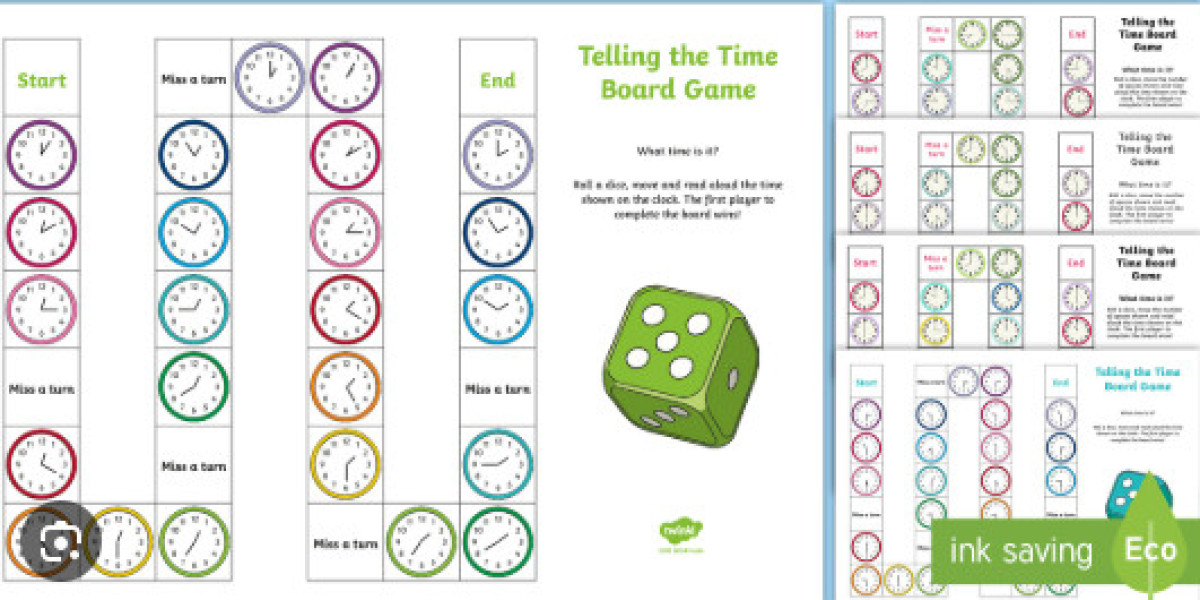
Teaching children to tell time can be challenging, especially when they are first introduced to analog clocks, hours, and minutes. However, learning becomes much easier and more enjoyable when you turn it into a fun game. One creative way to teach kids about telling time is by using dice. Dice are simple, affordable, and engaging educational tools that help children develop number recognition, counting, and time-telling skills.
By combining dice games with colorful clocks and interactive activities, parents and teachers can make learning more exciting. Children can roll dice, move clock hands, solve time-related challenges, and practice reading different times while enjoying themselves. In this article, we will explore several effective ways to teach kids about telling time with dice.
Why Use Dice to Teach Kids About Time?
How to Teach Kids About Telling Time With Dice because they encourage children to participate actively in educational activities. Instead of simply memorizing numbers and clock positions, children can learn through playing games and completing challenges.
Using dice to teach time offers several benefits:
Improves number recognition: Rolling dice helps children recognize numbers and understand their values.
Develops counting skills: Children practice counting minutes and hours through interactive activities.
Encourages problem-solving: Dice games allow children to think critically and figure out how to represent different times.
Builds confidence: Repeated practice helps children become more comfortable reading analog clocks.
Makes learning enjoyable: Fun activities keep children interested and motivated to learn.
These activities are suitable for preschoolers and elementary school children, depending on their existing math and number-recognition skills.
1. Introduce Children to the Basics of a Clock
Before starting dice games, introduce children to the basic parts of an analog clock. Explain that a clock has 12 numbers, a short hour hand, and a long minute hand.
Show children how the hour hand points to the hour, while the minute hand indicates the minutes. Explain that when the minute hand points to 12, it represents an exact hour, such as 3:00 or 7:00.
Use a colorful teaching clock with movable hands to demonstrate these concepts. Allow children to move the hands themselves and practice identifying different hours.
Once they understand the clock's structure, introduce dice to make their learning more interactive.
2. Play the Roll-and-Set Clock Game
The roll-and-set clock game is a simple activity for beginners. It requires two dice, a teaching clock with movable hands, and a comfortable playing space.
First, ask children to roll one die. The number they roll determines the hour they need to display on the clock. For example, if they roll a five, they should move the short hour hand to five and set the minute hand to 12.
Next, encourage them to say the time aloud, such as five o'clock. Repeat the activity with different numbers to help them become familiar with the clock.
As children improve, introduce a second die to represent minutes in five-minute intervals. This helps them understand how the minute hand moves around the clock.
3. Use Two Dice to Practice Minutes
Once children can recognize hours, introduce a more challenging dice activity to teach minutes.
Give each child two dice. Ask them to roll both dice and use the numbers to create a time. For example, one die can represent the hour, while the other determines the minute hand's position in five-minute increments.
If a child rolls a three and a six, they can create the time 3:30 by placing the hour hand near three and the minute hand at six.
Explain that each number on the clock represents five minutes when reading minutes. For example, the number two represents ten minutes, while the number eight represents forty minutes.
This activity helps children understand the relationship between numbers, hours, and minutes.
4. Create a Fun Time-Matching Challenge
Time-matching games are another excellent way to reinforce children's learning. Prepare a set of cards showing different digital times, such as 2:00, 4:30, 6:15, and 8:45.
Ask children to roll the dice and select a matching time card or create a time using the numbers they rolled. They must then set the hands on their teaching clocks to display the selected time.
For younger children, begin with exact hours and gradually introduce half-hours and quarter-hours.
You can also turn this activity into a matching competition, where children earn points for correctly matching digital times with analog clock faces.
5. Make Dice Games More Exciting With Rewards
Children often learn better when activities include encouragement and positive reinforcement. Turn your dice games into friendly competitions by awarding points for correctly identifying or displaying times.
For example, give one point for correctly setting the hour hand and another point for positioning the minute hand. Children can earn bonus points for explaining how they determined the time.
Use small rewards, stickers, certificates, or verbal praise to celebrate their progress. Keep the games friendly and focus on participation rather than winning.
For group activities, encourage children to work in pairs, take turns rolling dice, and help one another solve time-related challenges.
6. Connect Dice Activities to Daily Routines
One of the most effective ways to teach children about time is to connect classroom activities with their everyday experiences.
Ask children to roll the dice, create a time, and identify an activity they might do at that hour. For example, 7:00 might represent breakfast, 8:00 might be school time, and 9:00 might be bedtime.
You can also ask questions such as, "What time do you usually wake up?" or "What do you do at 6:00 in the evening?"
Encourage children to set their teaching clocks to match their daily routines. This approach helps them understand why telling time is important in everyday life.
7. Adjust Dice Games to Different Learning Levels
Every child learns at a different pace, so it is important to adapt activities to their abilities.
For beginners, use one die and focus on recognizing numbers and reading exact hours. For children who understand hours, introduce two dice and practice five-minute intervals.
More advanced learners can practice quarter-hours, half-hours, and elapsed time. For example, ask them to set the clock to 3:15 and then move the hands forward by 30 minutes.
Gradually increasing the difficulty keeps children engaged while helping them develop their skills without becoming overwhelmed.
Conclusion
How to Teach Kids About Telling Time With Dice is a creative, interactive, and enjoyable way to develop essential math skills. Through roll-and-set games, minute-counting activities, time-matching challenges, and everyday examples, children can learn to understand hours and minutes while having fun.
Parents and teachers can adapt these activities to suit different ages and learning abilities. With colorful clocks, simple dice, regular practice, and positive encouragement, children can gradually build confidence in reading analog clocks. By turning time-telling lessons into playful experiences, you can make learning both memorable and rewarding for young learners.