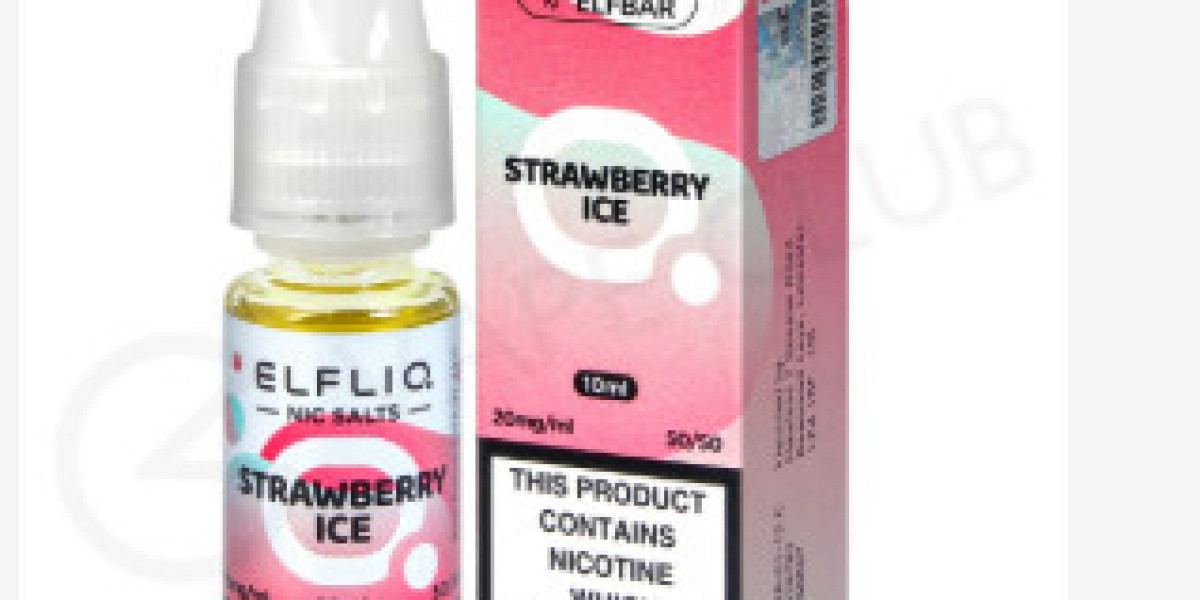

Introduction to Vape Liquid
Vape liquid, also known as e-liquid or vape juice, is a specially formulated liquid used in electronic vaping devices. When heated by a vape device, the liquid produces an aerosol that users inhale. Vape liquids are available in different flavours, nicotine strengths, and formulations, making them a widely discussed part of the vaping market. Understanding how vape liquid works, what it contains, and what risks it may present can help consumers make more informed decisions.
Although many products are marketed with appealing flavours and convenient packaging, vape liquid is not risk-free. Its ingredients, nicotine content, product quality, and intended use should all be considered before making a purchasing decision.
What Is Vape Liquid Made Of?
Vape liquid typically contains several ingredients that serve different purposes. The most common components include propylene glycol (PG), vegetable glycerin (VG), flavourings, and, in some products, nicotine.
Propylene glycol is a relatively thin liquid that helps carry flavour. Vegetable glycerin is thicker and contributes to aerosol production. Manufacturers combine these ingredients in different proportions depending on the product's intended characteristics.
Flavourings are used to create different taste profiles, including fruit, mint, dessert, and beverage-inspired varieties. However, ingredients considered suitable for food consumption are not automatically safe to inhale. Nicotine-containing liquids also carry addiction risks, while nicotine-free products can still expose users to potentially harmful substances.
Different Types of Vape Liquid
Vape liquids are available in several formulations. Each type has different characteristics, and product suitability depends on the device and the manufacturer's instructions.
Freebase Nicotine Liquid
Freebase nicotine is a traditional form of nicotine used in some vaping products. These liquids are available in different concentrations and formulations. Their characteristics vary depending on the nicotine strength, PG/VG ratio, and device used.
Nicotine Salt Liquid
Nicotine salt liquids use a different nicotine formulation and are commonly associated with certain low-powered vaping devices. They can deliver nicotine efficiently, which may increase the risk of dependence. Users should pay particular attention to the labelled nicotine concentration.
Nicotine-Free Vape Liquid
Nicotine-free vape liquid is marketed without added nicotine. However, the absence of nicotine does not make inhaling the aerosol harmless. Flavouring chemicals and other ingredients may still cause irritation or present respiratory risks.
Popular Vape Liquid Flavours
Flavour is one of the main features used to distinguish vape liquids. Fruit-inspired options may include apple, watermelon, mango, and mixed berries. Mint and menthol varieties offer a cooling sensation, while dessert-inspired flavours may resemble vanilla, caramel, or sweet bakery products.
Beverage-inspired flavours are also available in some markets. Product names and flavour descriptions differ between manufacturers, and actual ingredients can vary considerably.
Consumers should avoid assuming that a familiar or pleasant flavour indicates a safer product. Flavourings designed for eating may behave differently when heated and inhaled.
Understanding PG/VG Ratios
The PG/VG ratio describes the relative amounts of propylene glycol and vegetable glycerin in a vape liquid. A higher PG proportion generally produces a thinner liquid, while a higher VG proportion creates a thicker formulation.
These differences can affect how a liquid performs in a compatible device. However, thicker liquids are not necessarily safer, and the ratio alone cannot establish a product's overall safety.
Using liquids outside a device's specifications may cause leakage, poor performance, or other problems. Manufacturer instructions should always be followed.
How to Choose Vape Liquid Responsibly
Anyone researching vape liquid should examine the product label, ingredient information, nicotine concentration, manufacturer details, and applicable regulatory requirements. Purchasing from legitimate suppliers can help reduce the risk of counterfeit or contaminated products, although it cannot eliminate every health risk.
Avoid liquids with unclear ingredients, damaged packaging, missing labels, or unsupported safety claims. Vape liquids should be stored securely, away from children and pets, because accidental ingestion or skin exposure to nicotine-containing liquids can cause poisoning.
People who do not smoke or use nicotine should not begin vaping. Young people and pregnant individuals should avoid nicotine exposure. Anyone experiencing breathing difficulties, chest pain, or other concerning symptoms after vaping should seek appropriate medical assistance.
Conclusion
Vape liquid is available in numerous formulations, nicotine strengths, and flavour varieties. Its ingredients and PG/VG ratios influence product characteristics, while nicotine content affects the risk of dependence. Understanding these differences is useful when evaluating information about vaping products.
Nevertheless, vape liquid should not be considered harmless simply because it is widely available or marketed with attractive flavours. Careful attention to product labelling, secure storage, applicable laws, and potential health risks is essential. For people who do not currently vape, avoiding these products is the safest choice.