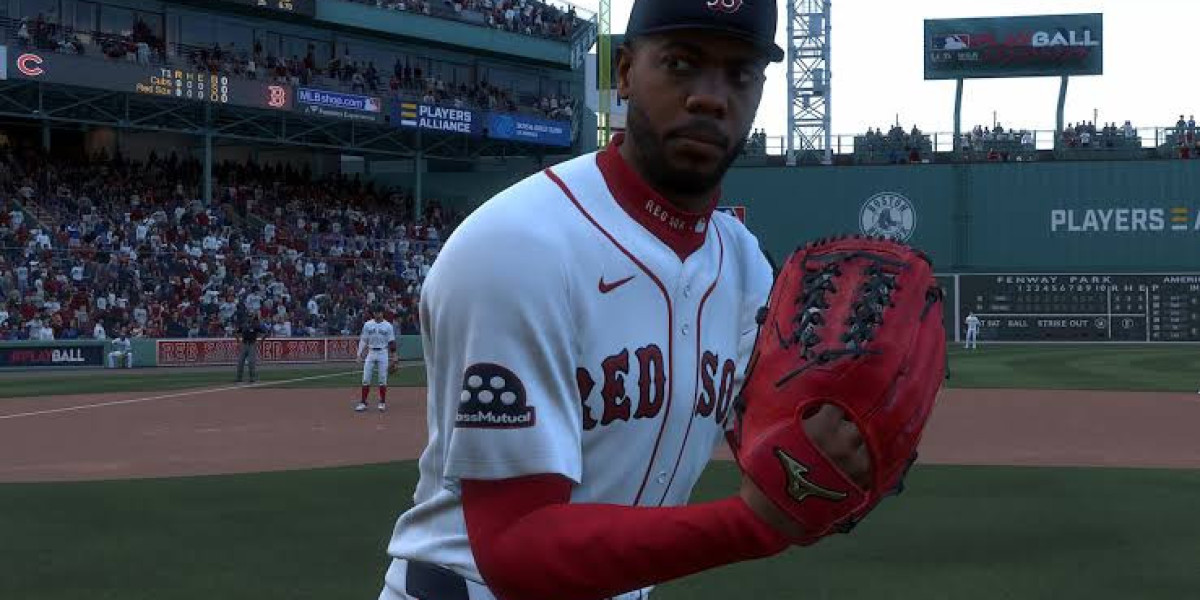

Buying a replacement slugger before diagnosing why your current hitter misses inside fastballs can waste both currency and development time. Before spending MLB 26 stubs on another card, separate an attribute weakness from a timing problem. In MLB The Show 26, Parallel Mods should support a defined lineup role, not become an excuse to rebuild after one scoreless game.
Fix the Matchup That Actually Costs You Outs
A right-handed hitter who struggles against right-handed pitching needs a different evaluation from someone who misses every high fastball. Review the relevant contact split first, then examine swing timing and PCI placement. A contact-oriented option may support the former problem; it cannot reliably correct the latter. Check the card's available modifications before planning around an attribute it cannot improve.
Power deserves priority when your existing approach already produces well-timed contact but too few damaging hits. Do not treat every warning-track fly as proof that power is insufficient: pitch location, contact quality, and stadium dimensions complicate that diagnosis. For a bench hitter used almost exclusively against left-handed pitchers, specialize around that matchup rather than improving attributes rarely used.
Give Starters and Relievers Different Jobs
A starter expected to complete six innings needs an evaluation that includes workload, not just strikeouts. If command deteriorates as energy falls, consider stamina or control options where available, alongside earlier bullpen preparation. If pitches miss their targets from the first inning, examine input execution before assuming that extending the outing will solve anything.
A reliever entering with runners on second and third has a narrower assignment: prevent immediate damage. Favor available improvements that support the pitches you can locate under pressure. Extra velocity is less valuable when your primary fastball repeatedly leaks over the plate. Test command with your actual pitching interface, because an attribute increase and a comfortable release pattern are not interchangeable.
Spend Development Time on Cards With Staying Power
During early roster building, prioritize cards that will remain useful after your next upgrade. A versatile defender or reliable platoon hitter can retain a bench role after losing a starting position. A temporary starter with no secondary purpose is a weaker development target. The sunk cost is the games spent progressing a card you soon stop selecting.
For efficient Parallel progression, combine eligible objectives with players you genuinely intend to keep using. Check the current mode's progression rules and difficulty modifiers before choosing a farming routine; faster games do not automatically produce faster progress. Avoid spending an entire session feeding appearances to a temporary hitter while a long-term starter sits unused on your roster.
Measure Consistency Before Committing Further
Change one variable at a time and keep a brief record across several sessions. For hitters, note opposing handedness, strikeouts, and quality contact rather than relying on batting average alone. For pitchers, track walks and missed locations in comparable workloads. Ten plate appearances can flag a problem, but they are not a dependable verdict on a build.
Once your core roster is established, judge every adjustment against its competitive assignment: protecting a late lead, covering a defensive position, or winning a specific platoon matchup. Keep a familiar card if it performs that job reliably. Reserve MLB stubs for a demonstrated roster gap, and stop investing development time when further customization no longer changes how you use the player.



Népszerű bejegyzések
-
 1xBet LK Promo Code: 1X200FOX - Bonus €130
Által W69 SLOT
-
 LePodium: ваш гид в мире люксовой моды
Által MaxBezel MaxBezel
-
 1Win প্রোমো কোড নিবন্ধন – 1WIN2026VIP দিয়ে +500% ওয়েলকাম বোনাস
Által cisota3058 cisota3058
-
 7 Dazzling Diamond Watches to Watch for in 2025
Által MaxBezel MaxBezel
-
Промокод в 1хБет 2026: 1XVIP1X - Бонус 32,500 рублей
Által cisota3058 cisota3058


