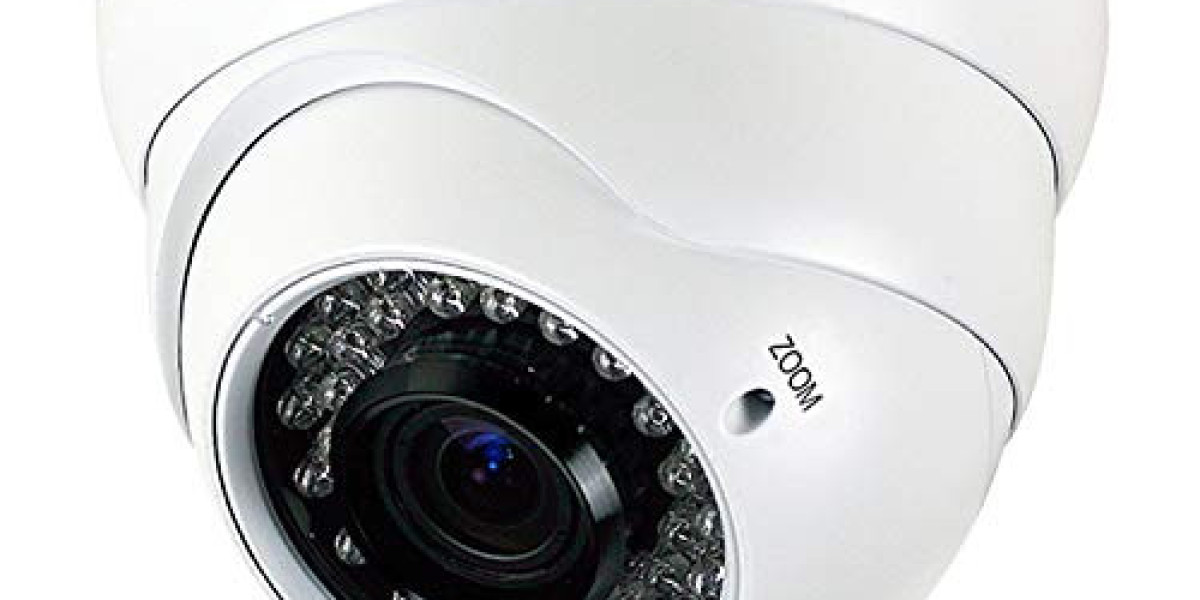

CCTV cameras have become a vital part of modern security systems, helping homeowners, businesses, offices, schools, malls, warehouses, and industrial facilities monitor their surroundings and protect valuable assets. CCTV means Closed-Circuit Television, a surveillance technology that captures video clip and transmits it to a specific monitoring system for viewing, recording, and reviewing. With growing concerns about theft, unauthorized access, property damage, and workplace safety, installing CCTV cameras provides an effective way to boost security and maintain better control over different environments. Modern CCTV systems are available in various designs, including dome cameras, bullet cameras, wireless cameras, network cameras, and high-definition surveillance cameras. Every type offers different features and benefits with regards to the installation location and security requirements. Homeowners may use CCTV cameras to monitor entrances, gardens, garages, and driveways, while businesses can install them to observe customer areas, offices, storage rooms, and parking facilities. By providing continuous or motion-activated monitoring, CCTV cameras help users stay informed about activities around their properties and develop a better environment for residents, employees, customers, and visitors.
Modern CCTV camera technology offers advanced features that make surveillance more effective, convenient, and reliable. High-definition cameras can capture detailed images, helping users identify important visual information and review recorded events more clearly. Night vision technology enables many cameras to monitor areas in low-light conditions, while infrared illumination will help capture footage in complete darkness within the camera's effective range. Some advanced CCTV cameras also include motion detection, smart alerts, two-way audio, wide-angle lenses, and artificial intelligence features that can distinguish between people, vehicles, and other moving objects. These capabilities allow users to receive notifications when relevant activity occurs as opposed to constantly watching a live video feed. Internet-connected CCTV cameras can also provide remote access through smartphones, tablets, and computers, allowing authorized users to see live footage from different locations. This feature is very ideal for business owners who manage multiple premises or homeowners who wish to check their property while traveling. However, the caliber of surveillance is dependent upon factors such as camera resolution, lens selection, lighting conditions, network stability, storage capacity, and correct installation. Selecting a camera with suitable features helps make certain that the surveillance system meets its intended purpose.
CCTV cameras play an important role in protecting residential properties by helping homeowners monitor entrances, identify suspicious activity, and maintain awareness of their surroundings. Installing cameras near front doors, back entrances, gates, garages, and outdoor pathways can provide useful visibility into areas which could otherwise be difficult to observe. Video doorbell cameras and smart security cameras could possibly offer additional convenience by allowing residents to see visitors and receive activity notifications through connected devices. For families, CCTV systems can also help monitor deliveries, observe outdoor spaces, and review incidents involving property damage or unauthorized entry. Businesses benefit from surveillance in other ways, including monitoring customer service areas, protecting inventory, reviewing CCTV Camera Shop in C-scheme jaipur workplace incidents, and improving operational oversight. In stores, strategically positioned cameras will help managers observe entrances, checkout counters, stockrooms, and other important locations. Warehouses and manufacturing facilities may use CCTV cameras to monitor loading areas, equipment zones, and restricted spaces. Nevertheless, surveillance ought to be implemented responsibly, with awareness of privacy, applicable laws, appropriate camera placement, and access permissions. Cameras should really be positioned to serve legitimate security purposes without unnecessarily recording private spaces or collecting more personal information than required.
Selecting the proper CCTV camera requires careful consideration of the property, installation environment, security objectives, and available budget. Indoor cameras are often designed for offices, homes, shops, and other protected spaces, whereas outdoor cameras often feature weather-resistant housings to withstand rain, dust, temperature changes, and other environmental conditions. Wired CCTV systems can offer stable connections and are frequently suited to larger installations, while wireless cameras may offer greater flexibility where running cables is difficult. However, wireless models still need a suitable power source or battery arrangement, and their performance can be determined by Wi-Fi coverage and network conditions. Users also needs to consider if they desire a Digital Video Recorder (DVR), a Network Video Recorder (NVR), local memory storage, or cloud-based recording. DVR systems are commonly connected with analog cameras, while NVR systems typically work with network cameras. Storage requirements rely on the number of cameras, recording resolution, frame rate, compression settings, and retention period. Additional factors include viewing angles, audio capabilities, remote monitoring, backup power, and compatibility with existing security equipment. Before purchasing a system, it is helpful to measure the property's vulnerable areas and determine how much coverage is necessary. Professional installation may be valuable for complex systems because correct positioning, cable management, network configuration, and testing can improve overall performance.
CCTV camera installation and regular maintenance are important for ensuring long-term reliability and effective surveillance. A well-designed system should provide clear coverage of important areas while minimizing blind spots and avoiding unnecessary recording of neighboring properties or private spaces. Cameras should generally be installed at suitable heights and angles to capture useful footage without having to be easily obstructed or damaged. Lighting also needs to be looked at because direct sunlight, strong backlighting, reflections, and poorly illuminated areas can affect image quality. For network-connected systems, secure configuration is very important. Users should change default passwords, create strong and unique login credentials, update camera firmware, secure their Wi-Fi networks, and restrict usage of trusted individuals. Remote access must certanly be configured carefully to reduce the risk of unauthorized viewing or control. Regular maintenance may include cleaning camera lenses, inspecting cables, checking power supplies, testing motion alerts, reviewing recording quality, and verifying that stored footage can be retrieved when needed. It is also important to confirm that recording devices have sufficient storage and that important settings remain correctly configured after power interruptions or software updates. A specialist security technician might help identify technical problems, improve camera placement, and ensure that the system continues to operate based on the user's requirements.
The continuing future of CCTV camera systems is closely linked to developments in artificial intelligence, smart home technology, cloud computing, and integrated security solutions. Intelligent surveillance systems can analyze video footage to identify selected events, detect unusual movement, recognize vehicles, and send more targeted notifications when supported by suitable hardware and software. Integration with alarms, access control systems, video intercoms, and other security devices can cause an even more coordinated approach to property protection. For instance, a company may combine CCTV monitoring with electronic door access to examine activity around restricted entrances, while a homeowner may connect outdoor cameras with motion-activated lighting. Cloud platforms can simplify remote access and video management, although subscription fees, internet availability, data retention policies, and privacy considerations must certanly be evaluated before choosing a service. Not every advanced feature is essential for every property, so users should prioritize reliable performance, strong cybersecurity, useful recording quality, and manageable operating costs rather than purchasing technology they could never use. Overall, CCTV cameras provide a valuable tool for improving security awareness, documenting incidents, monitoring important areas, and supporting responsible property management. By selecting appropriate equipment, installing it carefully, maintaining it regularly, and following privacy requirements, individuals and organizations can develop a surveillance solution that supports their security needs today while remaining adaptable to future technological improvements.