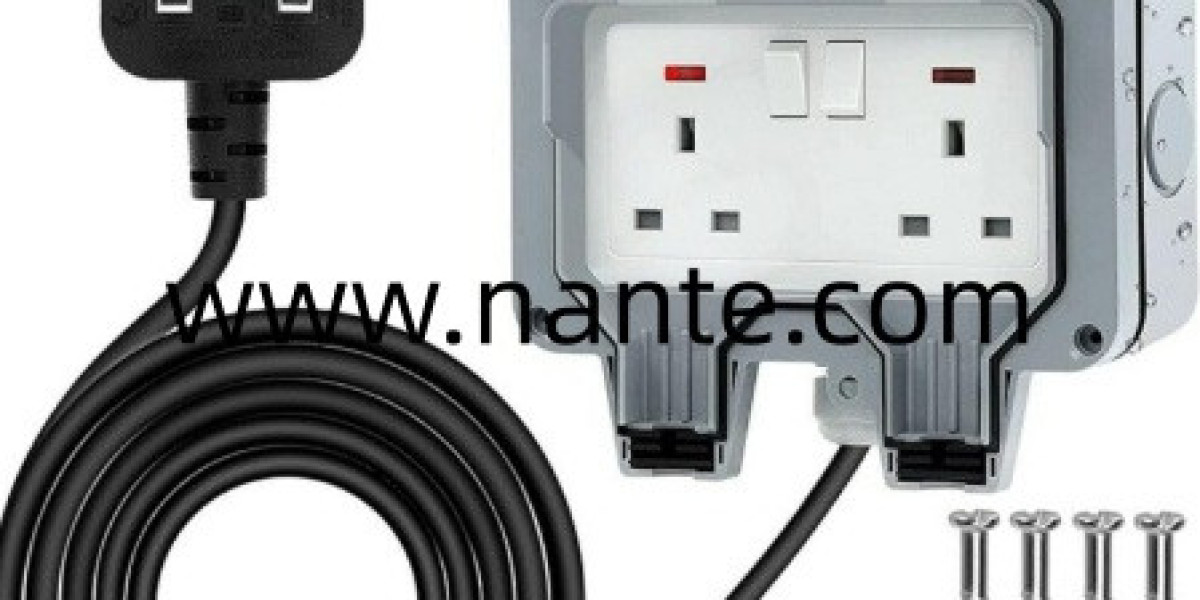

Industrial equipment often needs electrical connections that remain accessible without requiring complicated modifications to existing structures. A Surface Mounted Appliance Plug from Nante offers a practical connection solution for machinery, electrical enclosures, workshops, and commercial facilities. Its external mounting arrangement allows the connection point to be installed directly onto a suitable surface, making it useful for applications where convenient access, straightforward installation, and organized cable routing are important considerations.
Unlike connection components designed for recessed installation, surface-mounted plugs are positioned on the outside of an enclosure or mounting structure. This arrangement can simplify installation in locations where creating an internal mounting space is difficult. It also provides greater flexibility when adding electrical connection points to existing equipment or reorganizing a workspace to accommodate new machinery.
The mounting structure is an important part of product selection. A suitable appliance plug should have a housing that can be securely attached to its intended surface while maintaining the stability of the electrical connection. Installers should consider the mounting position, available space, cable entry direction, and surrounding equipment before beginning installation. Proper positioning can help prevent unnecessary cable bending and make connected appliances easier to access.
Electrical compatibility is equally important. Different industrial applications require different connection configurations depending on the power supply and the characteristics of the connected equipment. Buyers should verify the rated voltage, current capacity, contact arrangement, grounding requirements, and compatible plug design. These specifications should match the intended application rather than being selected according to external appearance alone.
Housing construction also influences the suitability of an appliance plug. Industrial working environments may involve mechanical contact, vibration, dust, moisture, and temperature changes. The housing material should therefore be appropriate for the conditions in which the product will operate. For installations requiring additional environmental protection, users should examine the specified ingress protection and ensure that cable entries and mounting interfaces are installed correctly.
Cable management is another practical consideration. In workshops and manufacturing facilities, electrical cables frequently pass around machinery, workbenches, and equipment frames. Poorly arranged connections can create unnecessary obstacles and make routine activities more difficult. A conveniently positioned external connection point can help establish a clearer cable route and reduce interference with nearby working areas.
For equipment manufacturers, this type of connection accessory can also support more flexible product design. Machinery may need to accommodate auxiliary devices, maintenance tools, or removable electrical components. Incorporating accessible connection points into the equipment structure allows designers to plan these requirements during the development process. It can also make future equipment servicing more convenient.
Maintenance should remain part of the installation plan. Regular inspections of the housing, mounting screws, cable entries, and electrical contacts can help identify signs of wear or damage. Keeping the surrounding area clean and ensuring that connections remain properly secured supports orderly operation. Electrical inspection and servicing should always be performed by qualified personnel using appropriate safety procedures.
When choosing an appliance plug, manufacturers and installers should consider the complete application. Mounting conditions, electrical specifications, environmental requirements, cable arrangements, and maintenance accessibility all contribute to product suitability. Evaluating these factors together helps ensure that the selected component fits naturally into the wider electrical installation.
A connection point may appear to be a small part of an equipment design, but its position can influence how comfortably an entire workspace operates. Thoughtful selection helps turn an ordinary electrical interface into a useful part of everyday equipment management.
Give your next equipment installation a more accessible starting point. Visit https://www.nante.com/product/ and take a closer look at industrial electrical connection products designed for practical installation requirements. Your next equipment improvement could begin with one carefully placed connection.