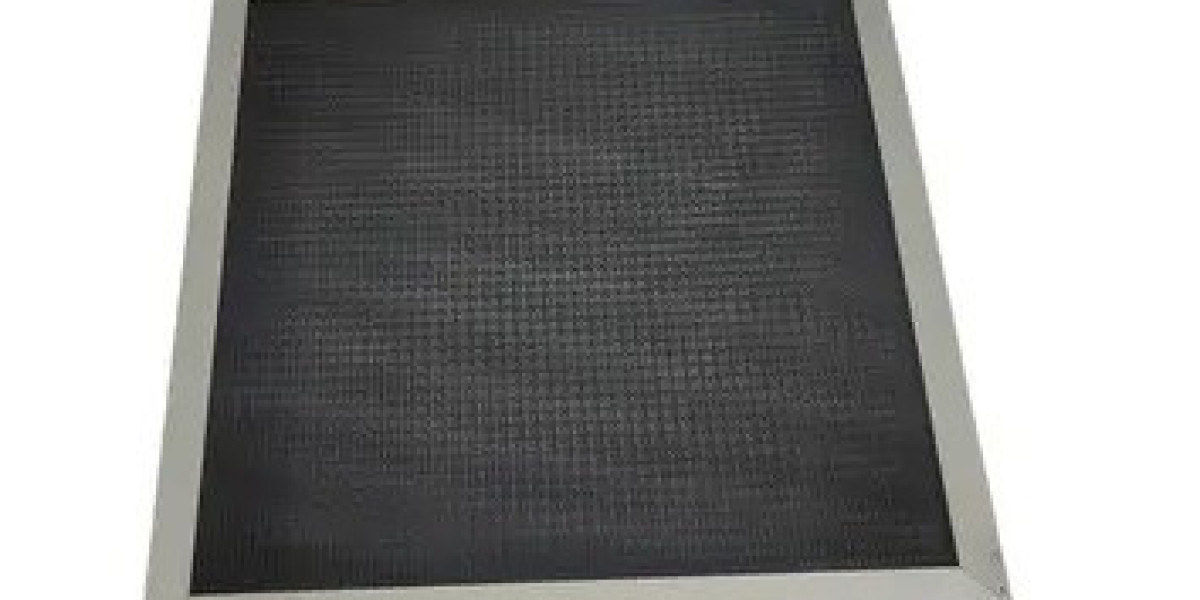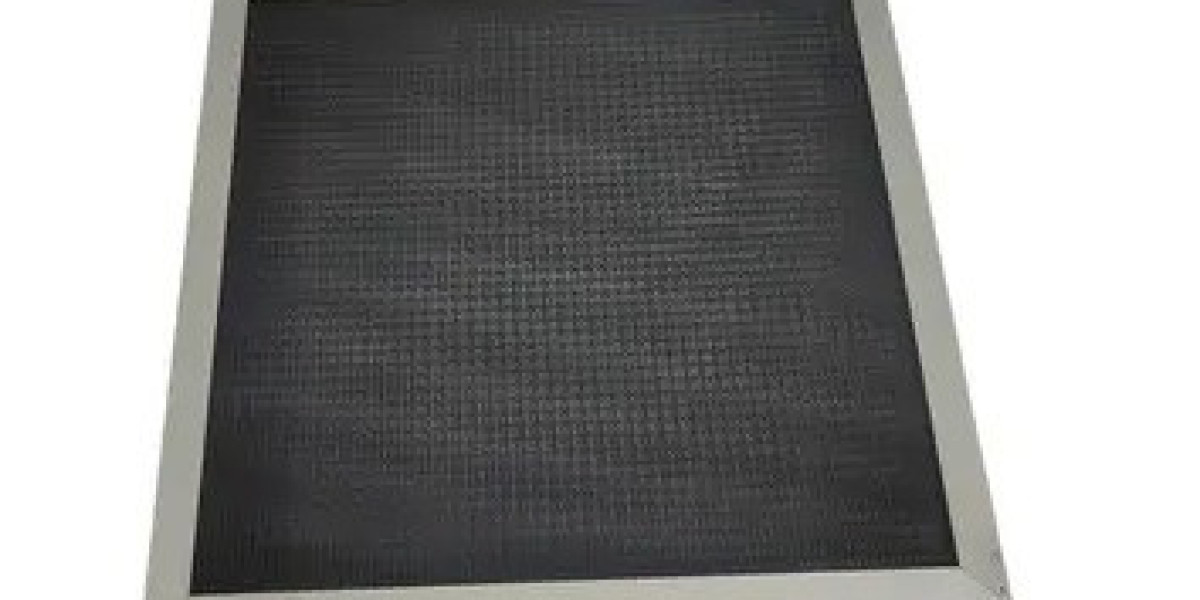

A Separator Filter is an important component in many industrial filtration systems. It helps separate liquids, gases, oils, or solid particles from mixed fluids, improving product quality and protecting downstream equipment. Separator filters are widely used in manufacturing, chemical processing, compressed air systems, and other industrial applications.Get more news about Separator Filter,you can vist our website!
Choosing the right filter can improve operating efficiency, reduce maintenance costs, and extend equipment service life.
1. Main Applications of Separator Filters
Different industries have different separation requirements. Understanding the application is the first step in selecting a suitable separator filter.
In compressed air systems, air-oil separator filters remove oil droplets from compressed air, helping deliver cleaner air and reducing oil consumption.
In chemical processing, liquid-liquid separator filters help separate different liquids or remove unwanted particles from process fluids. They support stable production and improve process quality.
For industrial machinery, separator filters can protect pumps, pipelines, and other components by removing contaminants before they cause damage.
2. How to Compare Different Separator Filter Products
Not all separator filters offer the same performance. Buyers should compare several important factors before making a purchase.
Filtration Efficiency: High-efficiency filters can remove smaller particles and droplets. However, the required filtration level depends on the actual application.
Material and Durability: Stainless steel separators are suitable for many demanding industrial environments because of their corrosion resistance. Other materials may provide a more economical solution for less demanding conditions.
Pressure Drop and Flow Capacity: A suitable separator filter should handle the required flow rate without creating excessive pressure loss. This helps maintain system efficiency.
Operating Costs: A lower purchase price does not always mean better value. Filter replacement frequency, energy consumption, and maintenance requirements should also be considered.
When comparing products, buyers should evaluate technical specifications and working conditions rather than focusing only on price.
3. Installation, Maintenance, and After-Sales Service
Proper installation is essential for separator filter performance. Users should check connection sizes, pressure ratings, flow direction, and compatibility with the existing filtration system before installation.
Regular maintenance also helps prevent unexpected downtime. Depending on the application, operators should inspect the filter housing, monitor pressure differences, and replace filter elements according to operating conditions and manufacturer recommendations.
Reliable after-sales service is another important purchasing factor. A professional supplier should provide installation guidance, technical documentation, replacement parts, and troubleshooting support.