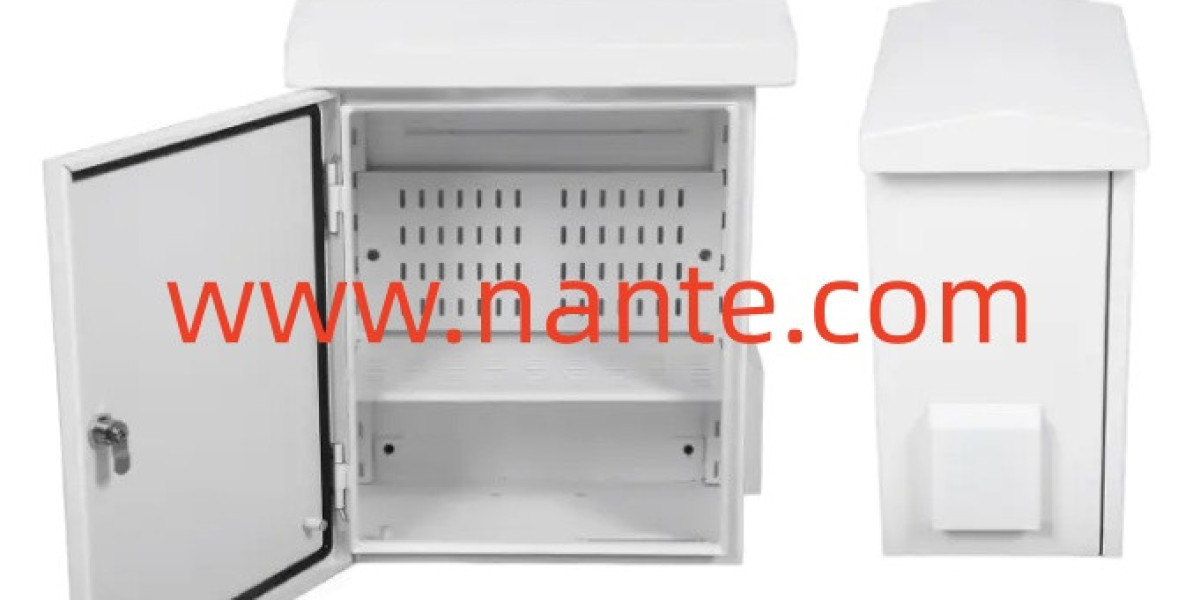

Electrical distribution systems require careful coordination between protective components, wiring arrangements, and equipment connections. An Industrial Mcb Box from Nante offers a structured enclosure solution for housing miniature circuit breakers and organizing essential circuit protection components. Designed for industrial electrical installations, this type of enclosure helps create a clearly arranged distribution point where electrical circuits can be managed, inspected, and maintained according to the requirements of the application.
In manufacturing facilities, electrical systems support machinery, lighting, control equipment, and various auxiliary devices. Each circuit needs appropriate protection and a clearly defined position within the distribution arrangement. Without a suitable enclosure, protective devices and associated wiring may become difficult to organize, potentially complicating inspection and maintenance work.
A dedicated enclosure provides a defined space for installing circuit breakers and related electrical components. Its internal arrangement can help electricians identify individual circuits and establish a more systematic wiring layout. This organization is particularly useful in facilities where different machines or operational areas require separate electrical distribution arrangements.
Protection is a fundamental consideration when selecting an enclosure. Industrial environments can involve dust, moisture, vibration, and accidental mechanical contact. The enclosure material, structural design, and sealing characteristics should correspond with the conditions of the installation location. Selecting an appropriate protection classification helps ensure that the housing is suitable for its intended environment.
Internal space planning also plays an important role. Circuit breakers, connecting terminals, conductors, and supporting accessories need sufficient room for installation and maintenance. A thoughtfully arranged enclosure can help prevent overcrowding while allowing qualified electricians to work with greater clarity. Proper spacing and cable routing also contribute to a more manageable electrical assembly.
Thermal conditions should not be overlooked. Electrical protective devices generate heat during operation, and enclosure design can influence how that heat is managed. Installers should consider component specifications, loading conditions, ventilation requirements, and the manufacturer's installation guidance when determining a suitable configuration.
Another important factor is the flexibility of the enclosure. Different facilities have different electrical distribution needs, and their installation environments may vary considerably. Wall-mounted arrangements, machinery integration, and centralized electrical cabinets can require different structural dimensions and mounting solutions. Choosing an enclosure that matches the available space and intended component arrangement helps simplify installation planning.
Safety and accessibility must remain central throughout the selection process. The enclosure should allow authorized personnel to identify protective devices and perform necessary inspections without unnecessary difficulty. Appropriate labeling, organized conductors, secure mounting, and suitable protective accessories all contribute to a more manageable electrical distribution system.
Compatibility between the enclosure and its internal components is equally important. Buyers should review breaker dimensions, rated electrical characteristics, terminal arrangements, grounding requirements, and applicable electrical standards. These details help ensure that the completed assembly corresponds with the intended system design. Installation and servicing should always be handled by qualified electrical professionals.
For industrial purchasers, supplier evaluation is another part of the decision-making process. Manufacturing experience, material selection, customization capabilities, product documentation, and technical communication can influence the suitability of a product for a particular project. Clear specifications make it easier for engineers and purchasing teams to coordinate their requirements.
An organized electrical distribution system begins with giving every protective component a suitable place. If you are planning a new installation or refining an existing electrical layout, visit https://www.nante.com/product/ . Take a closer look at the available enclosure solutions and find a design that gives your next electrical project a clearer structure and a more considered direction.