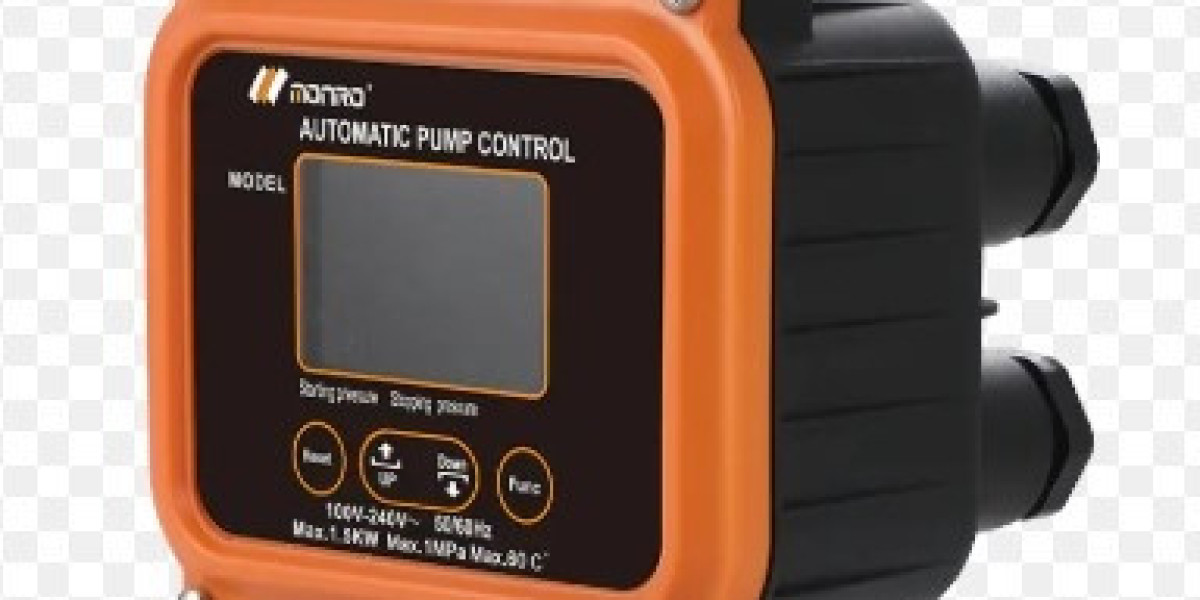

A properly planned water supply installation depends on suitable control equipment, correct electrical connections, and compatible pipeline arrangements. When developing a residential or commercial pumping project, Installation Automatic Pump Control is an important consideration for coordinating equipment operation and simplifying daily water management. Understanding Installation Automatic Pump Control requirements helps installers, distributors, and equipment manufacturers evaluate controller placement, connection methods, and operating conditions before integrating a new unit into an existing or newly designed system.
Planning the Installation Location
Choosing an appropriate mounting position is an important preparation step. An automatic pump controller should be installed in a location that allows convenient access for inspection, wiring, and future maintenance.
The surrounding environment should also be considered. Excessive moisture, unsuitable temperatures, physical impact, and limited ventilation may influence the installation conditions of electrical equipment. Installers should follow the manufacturer's instructions and applicable electrical safety requirements when determining the final position.
Space around the controller is another practical factor. Sufficient clearance can make it easier to connect cables, inspect terminals, and examine pipeline fittings. A well-organized installation layout also helps technicians identify individual components during maintenance.
Before beginning installation, buyers should confirm the controller dimensions, mounting arrangement, connection specifications, and compatibility with the intended pump.
Understanding Pipeline Connection Requirements
Pipeline configuration directly influences how an automatic controller interacts with a water pumping system. The inlet and outlet connections must correspond with the installation design to support appropriate water circulation.
Installers should examine pipe diameter, connection direction, sealing materials, and the position of nearby valves. Incorrect connections may interfere with normal operation or create unnecessary maintenance requirements.
Thread compatibility deserves particular attention when selecting accessories. Different pumping installations may use different connection standards, so buyers should verify the relevant specifications before purchasing additional fittings.
Proper sealing is also essential. Suitable sealing materials and careful installation procedures help reduce the possibility of leakage around threaded joints.
Before operating the completed system, technicians should inspect all connections and confirm that the pipeline arrangement follows the controller's installation instructions.
Electrical Configuration and Pump Compatibility
Automatic pump controllers must match the electrical characteristics of the connected equipment. Voltage, current requirements, motor capacity, and wiring arrangements should all be reviewed before installation.
Electrical work should be performed by qualified personnel in accordance with applicable regulations. Appropriate circuit protection and grounding arrangements should be considered according to the equipment design.
Installers should avoid assuming that every controller is compatible with every pump. Even products serving similar functions may have different electrical specifications or connection requirements.
Reviewing technical documentation helps purchasing departments and contractors identify appropriate models. It also provides a useful reference when preparing replacement equipment for an existing installation.
Monro Switch Installation and Product Selection
Zhejiang Monro M&E Co., Ltd. provides automatic pump control products for different water supply applications. Buyers can examine available models according to their installation preferences, technical specifications, and intended operating conditions.
When selecting a controller, customers should consider the pump type, connection configuration, required pressure settings, and available protection functions. Some models may offer additional features designed to address particular operating requirements.
Product selection should begin with a clear understanding of the complete pumping arrangement. Installers can prepare equipment drawings, pump specifications, and pipeline information before discussing suitable options with the manufacturer.
This preparation helps simplify technical communication and makes it easier to compare alternative configurations. For distributors and equipment manufacturers, understanding product variations also supports more organized purchasing and inventory planning.
System Testing and Routine Maintenance
After installation, the complete pumping arrangement should be checked before normal operation. Technicians should inspect electrical connections, pipeline joints, mounting stability, and the controller's operating response.
Testing procedures should follow the product documentation and relevant safety requirements. Any unusual behavior should be investigated before the equipment enters regular service.
Routine maintenance should include checking visible connections, examining the surrounding installation environment, and reviewing whether the controller continues to operate according to its intended settings.
When replacement becomes necessary, matching the original product specifications can help reduce compatibility problems. Maintaining model information and installation records also makes future servicing more convenient.
For contractors, wholesalers, and equipment manufacturers searching for automatic pump control solutions, the official website https://www.monroswitch.com/ provides further information about available controllers, product specifications, and manufacturing services. Visitors can explore different product configurations, review technical details, and contact the company to discuss installation requirements, customization possibilities, and suitable options for residential or commercial water supply projects.