Client approvals often look simple until a project becomes busy. A contractor sends a drawing, the client replies with a question, somebody forwards the message to another consultant, and several days later nobody is completely sure whether the item was approved. The problem becomes worse when multiple finishes, drawings, changes, and material selections are moving at the same time. What should have been a quick decision turns into a long email chain that is difficult to search and even harder to prove later.
Give Every Approval a Clear Identity
The first improvement is to stop treating approvals as ordinary conversations. Every item that needs a client decision should have a clear name, reference number, due date, and status. A flooring selection, revised drawing, change request, or material sample should be easy to identify without reading twenty previous messages.
This matters because people remember conversations differently. A client may believe they approved a concept while the project manager believes they only approved the color. When the approval record clearly states what was submitted and what decision was received, there is far less room for disagreement.
Keep the Decision Beside the Item
Many teams use email as both a communication tool and a document management system. That is where the trouble begins. Email is useful for notifying people, but the final decision should live beside the drawing, sample, change request, or document that was actually approved.
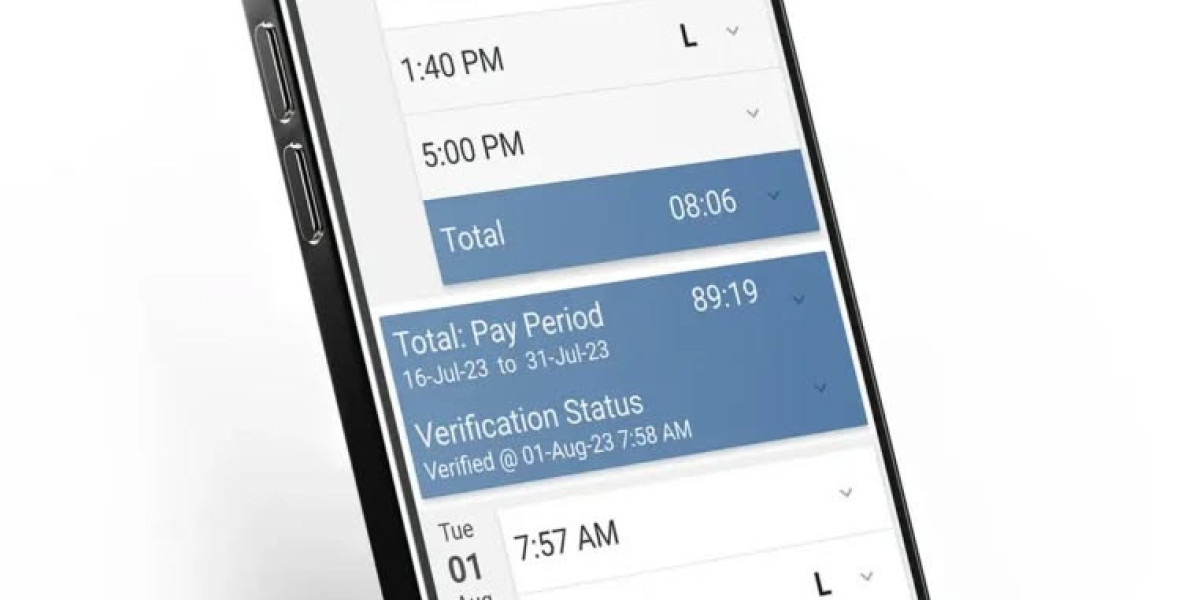
Businesses looking at software for construction should pay close attention to how approvals are stored. A useful system should allow the project team to see what was submitted, who reviewed it, when the decision was made, and whether any comments were attached.
Make Approval Options Specific
Clients should not have to guess how to respond. Instead of writing “Please let us know your thoughts,” give them a clear decision. Ask whether the item is approved, approved with comments, or rejected for revision. This makes the response easier for the client and gives the contractor a cleaner record.
The same approach works with design choices. If three tile options are being offered, identify them as Option A, Option B, and Option C with the relevant details attached. A specific decision request normally receives a faster response than a vague request for feedback.
Put Real Due Dates on Decisions
An approval is not just an administrative task. It often controls procurement or scheduled work. If windows must be ordered by Friday to maintain the installation date, the client should understand that their approval is needed before then.
Rather than sending repeated reminders, show the required decision date when the approval is first submitted. Good builder project management software can also help keep outstanding approvals visible so the project manager does not have to search through an inbox every morning.
Show the Consequence of a Late Approval
Clients are more likely to respond when they understand why the date matters. Instead of saying “This is urgent,” explain that approval after Thursday could push manufacturing into the following production slot and affect the installation sequence.
That explanation is not about putting pressure on the client. It gives them the information needed to prioritize the decision. People often delay approvals simply because they do not realize which items are holding up work.
Keep Comments in One Place
A common problem occurs when several people comment through different channels. One person marks a PDF, another sends a text message, and a third gives verbal feedback during a site meeting. The project manager then has to combine those comments manually.
For important approvals, comments should be captured in the same record wherever possible. If verbal feedback is given during a meeting, the project manager can add a short written note and ask the client to confirm it. That creates a reliable trail without turning every decision into a formal letter.
Separate Discussion From Approval
A conversation can continue for days while an item is being refined. That is normal. The mistake is assuming that discussion itself represents approval. Teams should make the final decision moment obvious.
After questions have been resolved, send or publish the final version and ask for a clear confirmation. This protects both sides because everyone knows which version was accepted and which previous versions were only part of the discussion.
Make Approvals Easy to Trace Months Later
A good approval process should still make sense when someone reviews the project six months later. The record should show what was submitted, what changed, who approved it, and when that approval happened. Nobody should have to reconstruct the story from dozens of forwarded emails.
When approvals are managed as project records instead of loose conversations, clients usually find the process easier as well. Decisions become clearer, reminders become more relevant, and the contractor spends far less time searching through old messages to work out what was actually agreed.