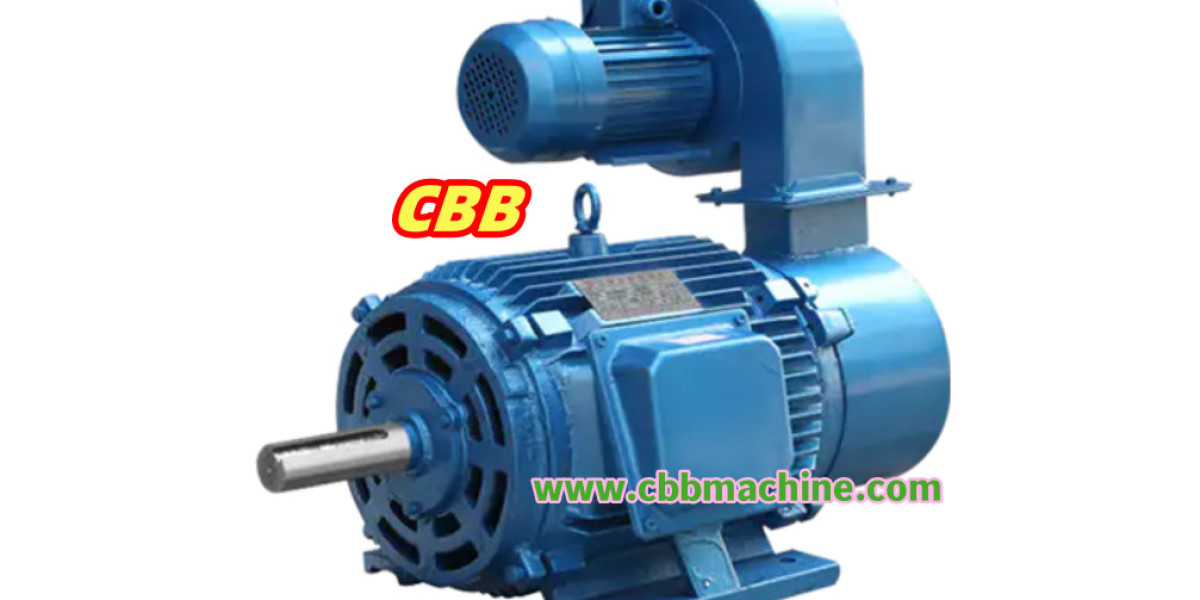

Reliable torque management plays an important role in industrial equipment, particularly when production involves winding, unwinding, feeding, or handling flexible materials. An Electric Torque Motor from Cbbmachine can support these operations by providing controlled rotational force that helps machinery maintain appropriate tension during material movement. With a configuration suited to the application, this type of drive component can contribute to consistent processing and more manageable production workflows.
In many manufacturing environments, materials must move through several stages without becoming excessively loose or tightly stretched. Paper, film, foil, wire, and other continuous materials may respond differently to changes in pulling force and rotational speed. When torque is not properly matched to operating conditions, problems such as uneven winding, material deformation, or unstable feeding may occur. Torque-based drive solutions help operators manage these challenges by allowing rotational force to be considered as part of the overall tension-control strategy.
One important consideration is the relationship between the motor and the material being processed. Flexible substrates often require careful handling because their physical properties can influence how they respond to tension. A suitable drive arrangement can help maintain controlled movement while accommodating the changing demands of a winding or unwinding operation. Manufacturers should evaluate material characteristics, roll dimensions, machine structure, and operating requirements when selecting an appropriate solution.
Integration with existing machinery is equally important. A motor does not operate independently of the production line; its performance depends on the surrounding mechanical and electrical systems. Control equipment, transmission components, installation methods, and operating procedures all influence how effectively torque is applied. Reviewing these elements before installation can help equipment designers establish a coordinated system that supports stable operation.
For machinery manufacturers, a flexible approach to drive selection can simplify equipment planning. Different production processes may require different mounting arrangements, torque characteristics, control methods, and connections. Understanding the intended working environment allows technical teams to evaluate which configuration aligns with the machine's functional requirements. Clear communication between the equipment supplier and the customer can also help clarify installation conditions and expected operating behavior.
Operational consistency is another factor worth considering. In winding applications, changes in roll diameter can affect the relationship between rotational force and material tension. A suitable control strategy can account for these changing conditions and help maintain a more orderly winding process. The appropriate method depends on the machinery design, material properties, and process objectives, making application-specific assessment an important part of equipment selection.
Maintenance and inspection also contribute to dependable performance. Connections, mounting structures, transmission components, and related control equipment should be checked according to the operating environment and manufacturer recommendations. Identifying unusual vibration, unexpected temperature changes, or inconsistent movement can help maintenance teams investigate potential issues before they disrupt the production schedule. Proper installation and routine servicing support the long-term use of industrial drive systems.
Beyond individual components, effective torque management can help manufacturers coordinate the broader production process. When drive characteristics are aligned with material requirements and machine controls, operators can work toward smoother transitions between processing stages. This is especially relevant in applications where stable winding, controlled feeding, and repeatable material handling influence the quality of the finished product.
Selecting a suitable drive solution begins with understanding the actual task. Consider the material, winding method, required tension behavior, available installation space, and compatibility with the existing control system. These details provide a useful foundation for discussing technical options and determining whether a particular configuration fits the intended application.
Every production line has its own rhythm, and the right drive arrangement should complement the way that line works. Rather than treating motor selection as an isolated purchasing decision, manufacturers can approach it as an opportunity to review their process requirements and equipment design together.
Give your next machinery project a more considered starting point. Visit https://www.cbbmachine.com/product/ to review industrial drive and motion-control solutions, learn more about available equipment options, and identify a configuration worth discussing with your technical team. A closer look at the available solutions may help you find a practical direction for your next production upgrade.